




24 Mar The Necessity of Choosing the Right Vascular Surgeon for Your Needs
Vascular health involves the proper functioning of your arteries and veins, and a medical specialist treats conditions affecting these blood vessels. A vascular surgeon manages diseases of the entire vascular system through medical therapy, minimally invasive catheter procedures, and traditional surgical reconstruction. Knowing what services a specialist provides helps you choose the correct doctor for your medical needs, which enables you to receive the care you need.
Understanding Vascular Surgeons
A vascular surgeon is a highly trained physician, and they specialize in the circulatory system. These doctors treat blood vessel issues outside the heart and brain. Because vascular diseases can range from mild to severe, a specialist evaluates your specific condition to recommend the best path forward. They talk with patients about diet and exercise, and they prescribe medications to improve blood flow.
Identifying Health Issues
Many medical conditions affect the circulatory system, and they require professional medical attention. Atherosclerosis causes a dangerous buildup of plaque in the arteries. When this plaque hardens over time, it narrows the blood vessels and restricts natural blood flow. This restriction causes pain, and it limits your mobility.
Aneurysms are abnormal bulges in an artery wall. If an aneurysm ruptures, it causes dangerous internal bleeding, so doctors monitor these weakened areas very closely. Deep vein thrombosis involves dangerous blood clots in the deep veins of your legs. When these arteries become blocked, the risk of a stroke increases.
Exploring Common Services
Because each patient has unique medical needs, vascular doctors provide many different treatments. They perform minimally invasive endovascular procedures, and they also conduct traditional open surgeries. They tailor the approach to the severity of your specific disease.
Here are some examples of surgeries a vascular surgeon may perform:
- Angioplasty opens blocked arteries using a small medical balloon.
- Stenting places a tiny wire mesh tube inside the blood vessel to keep it open.
- Bypass surgery creates a completely new path for blood flow around a severe blockage.
- Endarterectomy physically removes built-up plaque directly from the lining of an artery.
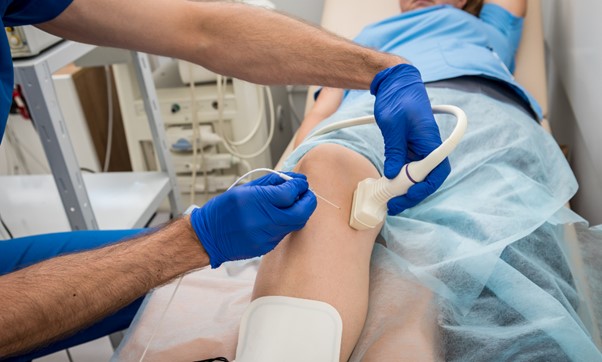
Doctors perform diagnostic tests to map your blood vessels, and they use this information to plan the safest procedure. Ultrasound imaging uses sound waves to evaluate your blood flow. When a doctor performs angiography, they can see the exact locations of any blockages.
Recognizing Treatment Signs
Some physical symptoms indicate poor blood flow, and these can be serious symptoms. Leg pain during physical activity is a sign that you may benefit from seeing a doctor. When your leg muscles do not get enough oxygen, they cramp and ache. This pain usually stops after a few minutes of rest, but it returns when you start walking again.
Persistent sores on your feet or toes signal a severe lack of circulation; swelling in your legs can also point to serious venous issues. If you notice sudden skin color changes in your extremities, a medical evaluation will help identify the root cause, and you can begin your recovery process. Coldness in your lower legs or feet compared to the rest of your body is another warning sign.
Find a Vascular Surgeon
Vascular health requires ongoing attention, and selecting the right specialist makes a massive difference in your medical recovery. Doctors treat complicated conditions like atherosclerosis and aneurysms using various therapies. Recognizing your physical symptoms will guide you to the correct care, so you can protect your long-term health. If you want to learn more about vascular surgical options, consult a vascular surgeon near you.
Sorry, the comment form is closed at this time.