


20 Oct TCB Scans versus Official English Translations
Manga fans often look for the latest chapters of their favorite series as soon as they become available. For readers of One Piece, following every new development is part of the excitement. However, choosing between fan translations and official English releases can affect how readers understand dialogue, follow the story, and support the creators behind the series.
Both options have attracted attention among manga readers, but they serve different purposes. Fan translations may appear before official releases, while licensed translations offer a more standardized reading experience. Understanding these differences helps readers make informed decisions about translation quality, release timing, accessibility, and reliability.
What Is TCB Scans?
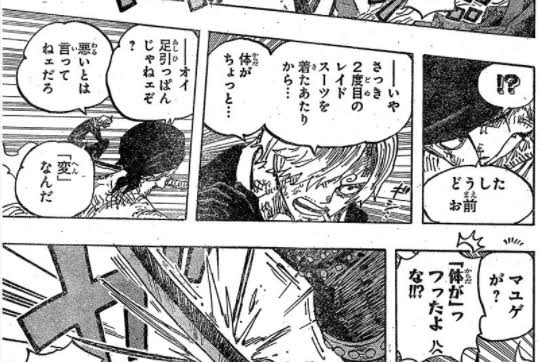
TCB Scans is a name widely associated with fan-translated One Piece manga chapters. Fan translation groups work to make Japanese manga understandable to readers who cannot read the original language. Their work can involve translating dialogue, editing text, cleaning pages, and preparing chapters for online reading.
For readers who want to explore fan-translated manga, tcb scans is a name they may encounter while searching online for chapter updates and discussions. It is important to remember that fan translation websites are not the same as official publishers, and their availability, content, and publication practices can change over time.
Fan translations have developed a following because online communities value speed, discussion, and access to new story developments. Nevertheless, the quality and accuracy of unofficial translations can vary, so readers should consider their limitations.
What Are Official English Manga Translations?
Official English translations are published or distributed through authorized publishers and platforms. These releases are created as part of a licensed publishing process, which can involve translators, editors, proofreaders, and other professionals.
For a popular series such as One Piece, official releases help maintain consistency across chapters and volumes. Character names, recurring expressions, technical terms, and important story details can be reviewed to create a coherent reading experience.
Official translations also provide a direct way for readers to support the manga industry. Purchasing licensed volumes or accessing chapters through authorized services helps sustain the commercial ecosystem that makes manga publication possible.
TCB Scans vs. Official English Translations: Key Differences
1. Translation Accuracy
Translation is more complicated than replacing Japanese words with English equivalents. Japanese dialogue often depends on context, cultural references, wordplay, speech patterns, and relationships between characters.
A short line can carry several meanings depending on the situation. Translators must decide how to preserve the intended message while making the dialogue natural for English-speaking readers.
Fan translations may offer interpretations that readers find expressive or easy to understand. However, unofficial work does not necessarily follow a consistent editorial process, and errors or differences in interpretation can occur.
Official translations generally benefit from professional editing and established terminology. Even so, an official translation is not automatically perfect. Different translators can make different reasonable choices, particularly when Japanese expressions do not have direct English equivalents.
Readers comparing versions should pay attention to the meaning of the full scene rather than judging accuracy by a single word.
2. Chapter Release Timing
Release timing is one of the main reasons readers search for fan translations. Online communities often discuss newly available chapters before the corresponding official English edition is released.
This can create a sense of immediacy, particularly when a chapter contains a major reveal, an unexpected battle, or an important character development.
Official releases follow a publishing schedule. That schedule may include simultaneous digital publication, planned release dates, regional availability differences, or breaks in the original serialization.
Readers should distinguish between an unofficial early release and the authorized publication schedule. An earlier appearance online does not mean that a translation has been approved by the original publisher.
Anyone who wants dependable release information should check the publisher’s current schedule rather than relying entirely on social media posts or fan discussions.
3. Translation Style and Dialogue
Different translations can create noticeably different reading experiences. One version may use conversational English, while another may preserve more of the original sentence structure or cultural wording.
In One Piece, character personalities are especially important. Luffy’s straightforward speech, Zoro’s serious attitude, and Usopp’s expressive reactions all contribute to the series’ humor and emotional impact.
A translation that changes a character’s tone too much may affect how readers interpret a conversation. Similarly, jokes and puns can be difficult to translate because their original meaning may depend on Japanese language features.
Fan translators may choose wording that appeals to their audience or reflects community interpretations. Official translators may prioritize consistency with established terminology, editorial standards, and previous releases.
Neither approach eliminates every disagreement. Comparing translations can be an interesting way to understand the challenges of adapting a story between languages.
4. Editing, Lettering, and Readability
A manga chapter combines artwork, dialogue, sound effects, and page composition. Translation quality is only one part of the final reading experience.
Preparing translated pages may require removing original text, inserting translated dialogue, adjusting text placement, and preserving the artist’s visual storytelling.
Fan-produced chapters can vary in the quality of their lettering and image editing. Some may look polished, while others may contain awkward text placement or difficult-to-read dialogue.
Official editions typically follow a more structured production process. Editors and production teams can review text placement, typography, consistency, and page presentation before publication.
Good lettering should feel natural within the artwork. Readers should be able to follow conversations without losing important visual details or struggling to read the text.
5. Accessibility and Cost
Accessibility is another important consideration. Some readers have limited access to physical manga stores, while others prefer digital reading because they travel frequently or have limited storage space.
Unofficial websites may advertise free access, but availability can be unpredictable. Pages can disappear, domains can change, and readers may encounter intrusive advertisements or questionable links.
Official services may provide free sample chapters, subscription access, or purchased digital volumes, depending on the publisher and region. Availability and pricing differ by service, so readers should review the terms that apply to them.
A free-to-access page is not necessarily an authorized publication. Readers who want a more dependable and legitimate experience should look for licensed platforms and official publisher announcements.
6. Reliability and Story Continuity
Long-running manga series often contain details that become important much later. A character’s title, a location’s name, or the wording of a mysterious statement can influence future interpretations.
When translations use different terms for the same concept, readers may become confused about whether the story has introduced something new or is referring to an established idea.
Official translations can provide greater consistency through editorial guidelines and reference materials. Fan translations may also maintain terminology carefully, but practices differ between groups and over time.
For readers who follow a series over several years, consistency is valuable. Using a recognized edition as a reference can help clarify disputed details and keep character names and recurring concepts straight.
Why Do Manga Fans Compare Multiple Translations?
Comparing translations can be useful when a scene is confusing or when readers want to understand a character’s exact meaning. It can also reveal how cultural context affects storytelling.
For example, a Japanese expression might communicate respect, sarcasm, affection, or frustration depending on the situation. English translators must convey that intention using words that make sense to their audience.
Readers may also compare how different editions handle jokes, honorifics, attack names, and recurring phrases. These discussions can deepen appreciation for the work involved in translation.
However, comparisons should be approached thoughtfully. A difference in wording does not automatically prove that one translator is wrong. The original language, surrounding dialogue, and character relationships all matter.
Readers should avoid treating early unofficial wording as the definitive interpretation of a major plot point. Waiting for the official edition can provide additional context and reduce confusion caused by errors or incomplete translations.
How to Choose the Right Reading Option
The best choice depends on what matters most to each reader. Consider these factors before deciding:
- For accuracy: Look for professionally edited, licensed editions and check important dialogue in its wider context.
- For reliable access: Choose established platforms with clear publication schedules and stable reading options.
- For creator support: Purchase official volumes or use authorized digital services.
- For translation discussions: Read thoughtful comparisons that explain differences without presenting speculation as fact.
- For a consistent experience: Follow one established edition when tracking terminology and story details over time.
Readers who want to explore official One Piece publication options can consult the VIZ official One Piece manga page. It provides information about the series, volumes, previews, and available reading options.
Checking official sources is particularly helpful when a chapter’s publication date, availability, or wording is being discussed online.
Are Fan Translations Always Better Than Official Versions?
No. A fan translation may be released earlier or use dialogue that some readers prefer, but that does not automatically make it more accurate. Similarly, an official translation may offer editorial consistency without satisfying every reader’s stylistic preferences.
Translation involves interpretation. A translator must balance literal meaning, readability, cultural context, and character voice. Two versions can communicate the same idea using different words, while another version may introduce an actual mistake.
It is useful to separate personal preference from factual accuracy. A line that sounds more dramatic may be enjoyable, but readers should consider whether it preserves the meaning of the original scene.
The same principle applies to claims circulating in manga communities. Before treating a disputed phrase as confirmed information, readers should check the official release and consider the surrounding story.
Conclusion
The comparison between TCB Scans and official English translations highlights the different priorities of fan translation communities and licensed publishing. Fan translations can attract attention because of their speed and community discussion, while official editions offer a structured publishing process, greater editorial consistency, and a direct way to support manga creators.
For One Piece readers, the most useful approach is to consider accuracy, release schedules, readability, accessibility, and personal preferences. Comparing interpretations can add depth to the reading experience, but important story details should be evaluated carefully rather than accepted solely because a version appeared first.
Ultimately, the goal is to understand and enjoy the story while recognizing the work required to bring manga to international audiences. Choosing reliable sources and supporting authorized releases helps readers stay connected with the series and the people who create it.
Sorry, the comment form is closed at this time.