




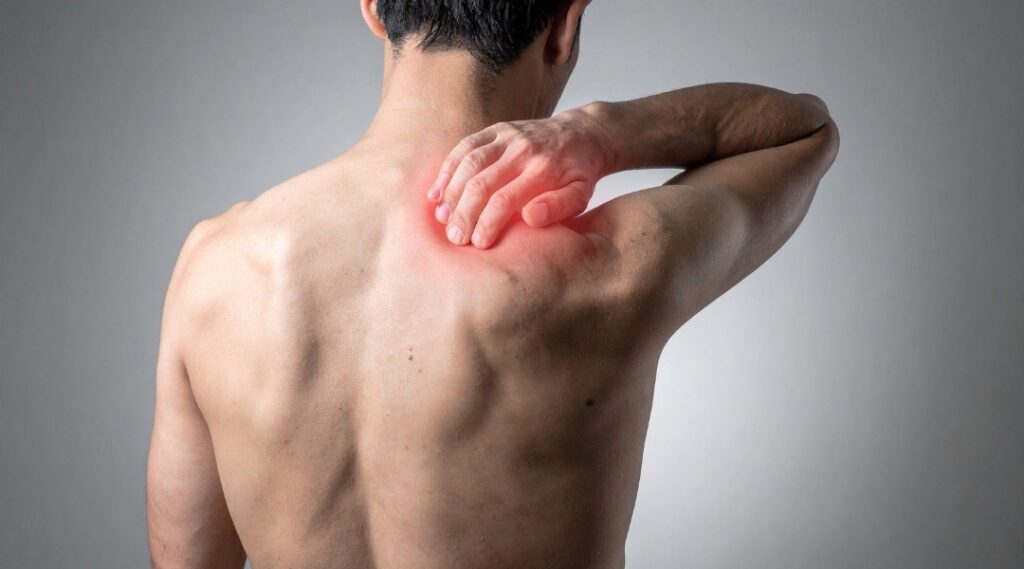
22 Mar Identifying Symptoms and Recovery from Shoulder Pain
Shoulder pain can routinely interfere with daily activities and reduce overall physical capability. The shoulder is a complex ball-and-socket joint that offers an extensive range of motion. This significant mobility makes the area uniquely susceptible to a variety of injuries, such as degenerative conditions and mechanical issues. Recognizing the specific nature of your discomfort provides valuable insight into the underlying problem.
What Causes Shoulder Pain?
Acute shoulder pain frequently results from overuse injuries that strain the muscles and the soft tissues supporting the joint. This type of short-term discomfort typically lasts for a few weeks. When pain persists steadily for several months, medical professionals classify it as chronic. Chronic shoulder discomfort frequently indicates a deeper underlying joint injury or a progressive degenerative disease.
Several structural conditions affect the shoulder and lead to ongoing distress. These conditions include:
- Bursitis and tendonitis
- Arthritis and degenerative joint disease
- Bone fractures and joint dislocation
- Rotator cuff tears
- Frozen shoulder
Beyond these direct mechanical issues, chronic pain can also stem from compressed or entrapped nerves surrounding the joint. Diabetic neuropathy may contribute directly to the localized discomfort. Identifying the exact source of the pain requires a thorough medical evaluation by a specialized physician.
What Symptoms Indicate Care Is Needed?
Mild or occasional shoulder soreness often responds effectively to basic interventions, which typically include rest and over-the-counter medication. If your symptoms persist consistently for three months or longer without showing signs of clinical improvement, a formal diagnostic evaluation becomes highly necessary. Specific physical symptoms require immediate medical attention to prevent further joint damage.
Patients should seek prompt care upon experiencing certain symptoms, such as visible joint swelling, sharp pain, or rapidly worsening daily discomfort. Limited arm function and a noticeable inability to perform standard mechanical movements also signal a need for professional assessment. Continuing to use a structurally compromised shoulder exacerbates the underlying injury and significantly delays the necessary healing process.
What Can Recovery Involve?
Medical professionals utilize various distinct strategies to treat shoulder pain, depending heavily on the unique circumstances of your specific injury. Initial care plans primarily focus on targeted nonsurgical therapies to relieve persistent discomfort and efficiently restore proper biomechanics. In addition to guided physical therapy, specialized regenerative medicine offers effective solutions for accelerating tissue repair.
Platelet-rich plasma therapy represents a targeted, biological approach to joint healing. This focused treatment utilizes powerful healing factors derived directly from your own blood to reduce local inflammation. The targeted injection promotes the natural ability of your body to heal damaged soft tissues. Stem cell therapy actively helps regenerate healthy tissue growth within the affected shoulder joint, leading directly to faster overall repair. Acoustic shockwave therapy utilizes specific sound waves to stimulate localized blood flow in the damaged area. This completely non-invasive treatment activates stem cells and releases necessary growth factors, targeting the exact source of the pain.
Seek Pain Management Services
Engaging directly with a dedicated pain management specialist provides immediate access to comprehensive, personalized recovery strategies. By investigating the distinct root cause of your shoulder discomfort, these medical professionals may design a targeted treatment plan tailored directly to your specific diagnosis. Addressing persistent shoulder pain at an early stage actively prevents long-term functional complications and successfully restores physical activity. Schedule a detailed consultation with a pain management specialist to formally evaluate your physical condition and begin your rehabilitation journey safely.
Sorry, the comment form is closed at this time.