




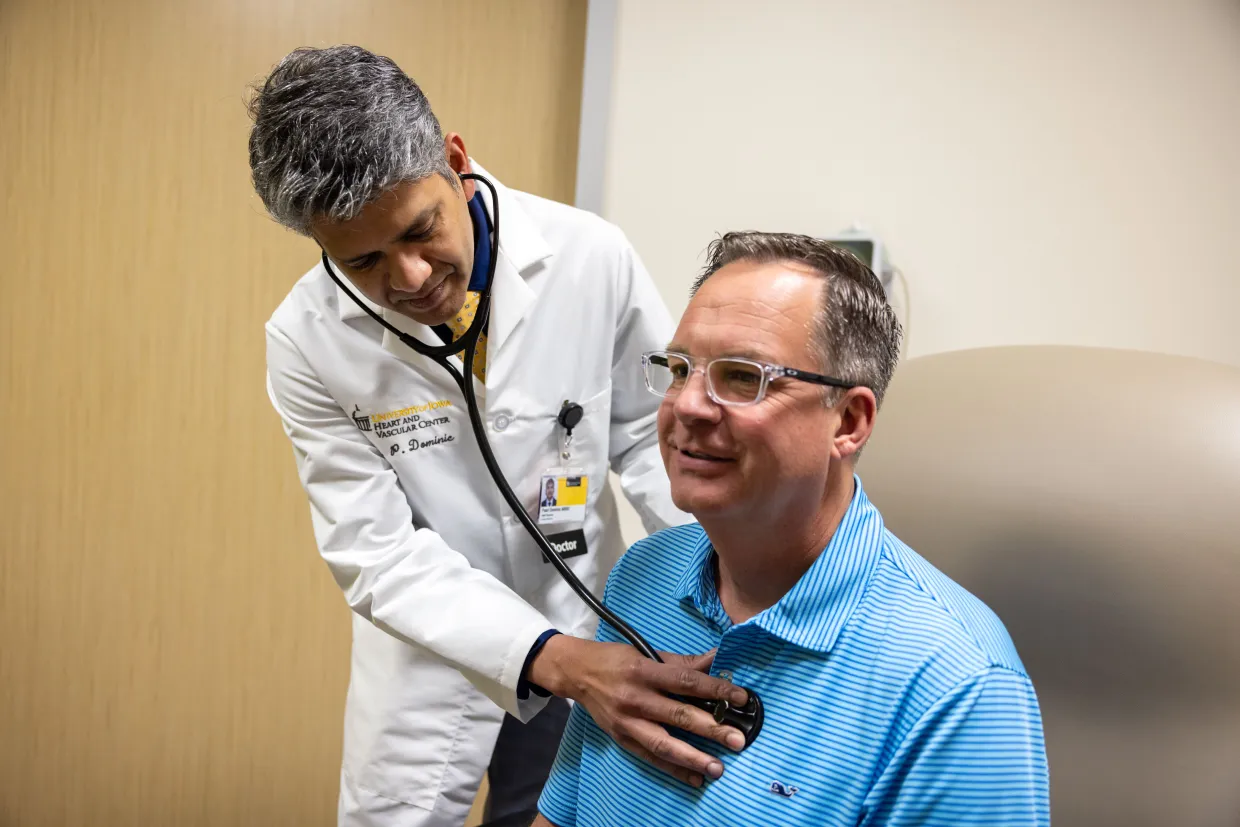
25 May Heart Specialist for Irregular Heartbeat
Heart specialist for irregular heartbeat is one of the most searched medical topics today because many people experience unusual heart rhythms, palpitations, or sudden changes in heartbeat without fully understanding the cause. An irregular heartbeat, also known as arrhythmia, may feel like the heart is beating too fast, too slow, fluttering, skipping beats, or beating unevenly. While some irregular heartbeats are harmless, others may signal serious heart conditions that require proper medical attention. This detailed guide by bingespree explains irregular heartbeat conditions, the role of heart specialists, common causes, symptoms, diagnosis methods, treatment options, and how healthy lifestyle habits can support better heart health.
What Is an Irregular Heartbeat?
An irregular heartbeat occurs when the heart does not follow its normal rhythm. The heart may beat:
- Too fast
- Too slow
- Unevenly
- With skipped beats
The medical term for irregular heartbeat is arrhythmia.
The heart normally beats in a steady rhythm controlled by electrical signals. When these signals become disrupted, abnormal heart rhythms may occur.
Some irregular heartbeats are temporary and harmless, while others may increase the risk of serious health problems.
Why Heart Rhythm Is Important
The heart pumps blood and oxygen throughout the body. A healthy heartbeat helps maintain proper circulation and organ function.
Abnormal heart rhythms may sometimes affect:
- Blood flow
- Oxygen delivery
- Blood pressure
- Energy levels
- Brain function
Severe arrhythmias may increase the risk of:
- Stroke
- Heart failure
- Cardiac arrest
This is why proper diagnosis and treatment are extremely important.
Who Is a Heart Specialist for Irregular Heartbeat?
A heart specialist for irregular heartbeat is usually called a cardiologist or cardiac electrophysiologist.
Cardiologist
A cardiologist is a doctor who specializes in heart and blood vessel conditions.
Cardiologists commonly treat:
- High blood pressure
- Chest pain
- Heart disease
- Mild arrhythmias
- Heart failure
Cardiac Electrophysiologist
An electrophysiologist is a cardiologist with advanced training in heart rhythm disorders.
These specialists focus specifically on:
- Atrial fibrillation
- Fast heart rhythms
- Slow heart rhythms
- Palpitations
- Pacemakers
- Ablation procedures
Electrophysiologists are often recommended for complex arrhythmia cases.
Common Symptoms of Irregular Heartbeat
Symptoms can vary depending on the type and severity of the arrhythmia.
Common Symptoms Include
- Heart palpitations
- Fluttering in the chest
- Rapid heartbeat
- Slow heartbeat
- Chest discomfort
- Dizziness
- Shortness of breath
- Fatigue
- Fainting
Some people may experience symptoms occasionally, while others may have more severe episodes.
Common Causes of Irregular Heartbeat
Many different factors may affect heart rhythm.
Common Causes Include
- Stress and anxiety
- High blood pressure
- Heart disease
- Smoking
- Excess caffeine
- Alcohol consumption
- Poor sleep
- Thyroid problems
- Certain medications
Sometimes irregular heartbeat may occur temporarily because of stress or dehydration.
Types of Irregular Heartbeat
There are several types of arrhythmias.
Atrial Fibrillation (AFib)
AFib is one of the most common irregular heart rhythms.
Symptoms May Include
- Rapid heartbeat
- Fatigue
- Dizziness
- Shortness of breath
AFib may increase the risk of stroke if untreated.
Tachycardia
Tachycardia means the heart beats too fast.
Possible Symptoms
- Palpitations
- Chest discomfort
- Weakness
- Fainting
Bradycardia
Bradycardia occurs when the heart beats too slowly.
Common Symptoms
- Fatigue
- Dizziness
- Low energy
- Fainting
Premature Heartbeats
These are extra heartbeats that may feel like fluttering or skipped beats.
Many premature beats are harmless but should still be evaluated if symptoms continue.
How Heart Specialists Diagnose Irregular Heartbeat
Doctors use several methods to diagnose heart rhythm disorders.
Medical History and Physical Examination
The doctor asks about symptoms, medical history, and lifestyle habits.
Questions May Include
- When symptoms occur
- Frequency of symptoms
- Family history of heart disease
- Caffeine or alcohol intake
Electrocardiogram (ECG or EKG)
An ECG records the electrical activity of the heart.
This is one of the most common tests for diagnosing arrhythmias.
Holter Monitor
A Holter monitor records heart rhythm continuously for 24 to 48 hours while patients continue daily activities.
Echocardiogram
This test uses ultrasound images to examine heart structure and function.
Stress Test
Stress tests monitor heart activity during exercise or physical activity.
These tests help specialists understand how the heart responds under stress.
Importance of Early Diagnosis
Early diagnosis helps prevent complications and improve treatment outcomes.
Untreated arrhythmias may increase the risk of:
- Stroke
- Blood clots
- Heart damage
- Heart failure
Recognizing symptoms early can improve overall heart health and safety.
Treatment Options for Irregular Heartbeat
Treatment depends on the type and severity of the condition.
Lifestyle Changes
Mild arrhythmias may improve with healthier lifestyle habits.
Helpful Lifestyle Changes Include
- Reducing stress
- Avoiding smoking
- Limiting caffeine
- Improving sleep
- Exercising regularly
- Eating heart-healthy foods
Healthy habits support better heart function.
Medications
Doctors may prescribe medications to:
- Control heart rate
- Regulate rhythm
- Prevent blood clots
Medication plans vary depending on the patient’s condition.
Pacemakers
Pacemakers are small devices implanted under the skin to help regulate slow heart rhythms.
Benefits of Pacemakers
- More stable heartbeat
- Improved energy
- Reduced dizziness and fainting
Catheter Ablation
Ablation procedures use heat or cold energy to destroy small areas of heart tissue causing abnormal electrical signals.
Benefits of Ablation
- Long-term rhythm control
- Reduced symptoms
- Improved quality of life
Ablation is commonly used for certain arrhythmias like atrial fibrillation.
Electrical Cardioversion
This procedure uses controlled electrical shocks to restore normal heart rhythm.
It is commonly used for some rapid heart rhythm disorders.
Heart-Healthy Lifestyle Tips
Healthy habits play a major role in preventing heart problems.
Heart-Healthy Habits Include
- Eating balanced meals
- Exercising regularly
- Maintaining healthy weight
- Managing stress
- Avoiding smoking
- Limiting alcohol intake
Lifestyle improvements support long-term heart health.
Foods That Support Heart Health
Nutrition is important for healthy heart function.
Heart-Friendly Foods Include
- Fruits and vegetables
- Whole grains
- Fish rich in omega-3
- Nuts and seeds
- Olive oil
Foods to Reduce
- Excess salt
- Fried foods
- Processed foods
- Sugary drinks
Healthy nutrition may help support better blood pressure and circulation.
Importance of Exercise for Heart Health
Regular exercise improves heart strength and circulation.
Helpful Activities Include
- Walking
- Cycling
- Swimming
- Yoga
- Light aerobic exercise
Exercise also helps reduce stress and improve energy levels.
Stress and Irregular Heartbeat
Stress and anxiety can sometimes trigger palpitations or abnormal heart rhythms.
Stress Management Techniques
- Meditation
- Deep breathing exercises
- Yoga
- Relaxation activities
Mental health and heart health are closely connected.
When to Seek Emergency Medical Help
Some symptoms require immediate medical attention.
Seek Emergency Help If Symptoms Include
- Severe chest pain
- Difficulty breathing
- Fainting
- Sudden weakness
- Severe dizziness
These symptoms may indicate serious heart problems.
Importance of Regular Heart Checkups
Regular medical checkups help detect heart problems early.
People with risk factors such as:
- High blood pressure
- Diabetes
- Smoking history
- Family heart disease history
should monitor heart health regularly.
Future of Arrhythmia Treatment
Heart rhythm treatment continues improving with medical technology.
Future Trends Include
- AI-assisted heart monitoring
- Advanced wearable heart devices
- Improved ablation techniques
- Smarter pacemakers
Modern technology is helping doctors diagnose and treat arrhythmias more effectively.
Conclusion
A heart specialist for irregular heartbeat plays an important role in diagnosing, monitoring, and treating abnormal heart rhythms. Irregular heartbeat conditions may range from harmless palpitations to serious medical emergencies requiring advanced treatment.
Understanding symptoms, causes, diagnosis methods, and treatment options helps people seek timely medical care and protect long-term heart health.
Healthy lifestyle habits such as balanced nutrition, exercise, stress management, and avoiding harmful habits also support healthier heart function.
This detailed guide by bingespree highlights the importance of proper medical evaluation and heart care for individuals experiencing irregular heartbeat symptoms.
FAQs
1. What doctor treats irregular heartbeat?
Cardiologists and cardiac electrophysiologists specialize in diagnosing and treating irregular heartbeat conditions.
2. What are common symptoms of irregular heartbeat?
Symptoms may include palpitations, fluttering, dizziness, chest discomfort, shortness of breath, and fatigue.
3. Can stress cause irregular heartbeat?
Yes, stress and anxiety may sometimes trigger palpitations or temporary heart rhythm changes.
4. Is irregular heartbeat always dangerous?
Not always. Some arrhythmias are harmless, while others may require medical treatment.
5. When should I see a heart specialist for irregular heartbeat?
You should seek medical advice if symptoms occur frequently, worsen, or include chest pain, fainting, or breathing difficulty.
Sorry, the comment form is closed at this time.