




08 Apr Exploring the Advantages of Endodontic Implants for Tooth Restoration
Tooth restoration procedures help patients regain normal dental function after experiencing dental issues. Endodontic implants are one specific method used in these procedures, and they offer specific clinical benefits for patients. Here is more information on the clinical application of endodontic implants:
What Causes Tooth Loss?
Tooth loss occurs due to various medical and environmental factors. Severe decay damages the internal structures of the tooth, and periodontal disease weakens the supporting bone. Trauma can also dislodge a tooth completely from its socket. Dentists assess these underlying causes before recommending endodontic implants.
Poor oral hygiene is a primary contributor to advanced dental diseases. Plaque buildup leads to severe gum infections, which eventually destroy the tissues that hold the teeth in place. Systemic conditions like diabetes can also accelerate the progression of gum disease, and identifying the exact cause helps dentists formulate a precise treatment plan.
What Is Tooth Restoration?
Tooth restoration refers to clinical procedures designed to repair or replace missing teeth. Dentists use these treatments to restore normal chewing mechanics, and they focus on stabilizing the surrounding jawbone. Standard restorative methods include crowns and specific implant devices. Patients undergo thorough evaluations to determine the most appropriate restorative approach.
What Are Endodontic Implants?
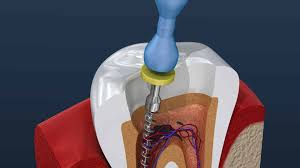
Endodontic implants are specialized dental devices designed to stabilize a natural tooth. Unlike traditional implants that replace the entire tooth structure, these devices extend through the root canal into the underlying bone. This technique preserves the natural crown of the tooth, and it provides additional structural support from the jaw. Dentists utilize these implants to extend the lifespan of a mobile or weakened tooth.
How Do They Work?
The procedure for placing endodontic implants requires precision and careful planning. A dentist first performs a standard root canal treatment to remove any infected tissue from the tooth. They then insert a specialized metal pin through the root canal, and they secure it deep into the jawbone. This extension anchors the tooth firmly in place.
Following the placement of the pin, the tooth receives a protective filling or crown. The bone gradually heals around the extended metal pin, creating a highly stable foundation. Patients receive specific postoperative care instructions to promote proper healing, and regular dental checkups monitor the implant’s stability over time.
What Are the Advantages?
Endodontic implants offer distinct clinical benefits in restorative dentistry. The primary advantage is the retention of the natural tooth, and this may minimize the need for more invasive extractions. Preserving the natural tooth maintains the original gum contour and alignment. Patients may experience a faster recovery time compared to full tooth replacement surgeries.
Another major benefit involves the preservation of the surrounding bone tissue, as the continuous stimulation from the natural tooth root prevents bone resorption. This maintains the structural integrity of the jaw. Patients may also retain their natural bite perception with this specific treatment. The nerves surrounding the natural tooth root remain intact, allowing individuals to feel pressure normally while chewing.
Learn More About Tooth Restoration
Endodontic implants provide an effective method for stabilizing natural teeth and restoring dental function. The procedure preserves the original tooth structure, and it prevents the loss of significant jawbone mass. Patients with loose or compromised teeth should consult a dental professional to evaluate their specific needs. Contact a restorative dentistry clinic today to schedule a comprehensive examination and discuss your treatment options.
Sorry, the comment form is closed at this time.