




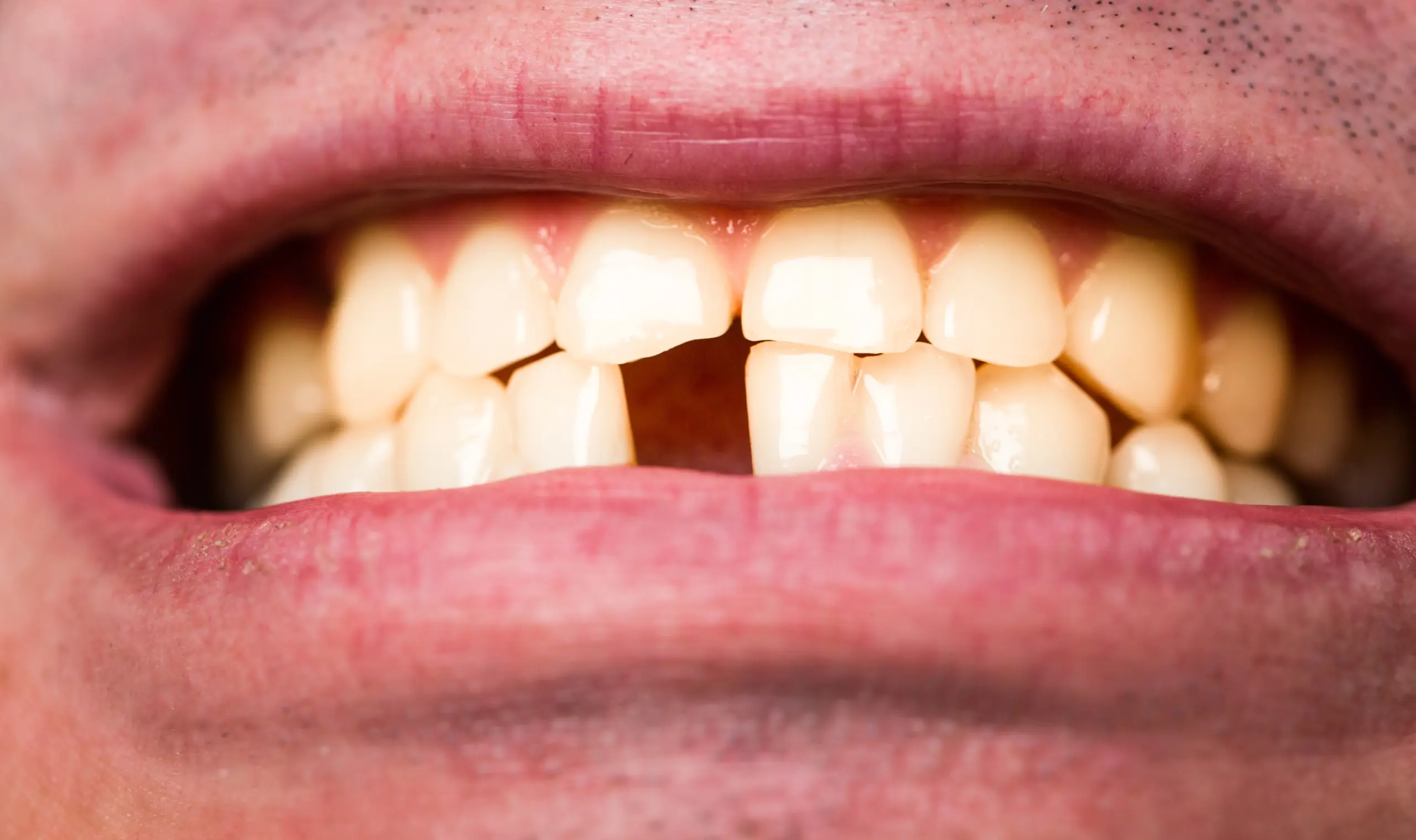
23 Nov Understanding Tooth Decay and How To Treat It
Tooth decay is a common dental problem that develops quietly until discomfort sets in. A dentist plays a key role in identifying early signs of decay, explaining what’s causing the damage, and recommending treatments that protect your teeth. Addressing the issue early can prevent serious complications and keep your smile healthy. Here’s what you need to know about tooth decay and how a dentist can help treat it:
Understanding Tooth Decay
Tooth decay, also known as cavities or dental caries, is the breakdown of tooth enamel, the hard outer surface of your teeth. This process occurs when bacteria in your mouth produce acids that attack the enamel, progressing to affect the deeper layers of the tooth, including the dentin and pulp. If left untreated, this can cause pain, infection, and even tooth loss. The decay begins as small, demineralized spots on the tooth’s surface, which may not be visible to the eye. As the decay advances, it creates a small hole, or cavity, which grows larger over time.
Identifying Common Causes
Several factors contribute to tooth decay, but they generally involve the presence of plaque and certain dietary habits. Here are some of the common causes:
- Poor Oral Hygiene: Inconsistent brushing and flossing allow plaque, a sticky film of bacteria, to build up on your teeth.
- Sugary and Starchy Foods: Foods and drinks high in sugar or starch feed the bacteria in your mouth.
- Dry Mouth: A lack of saliva, a condition known as dry mouth, increases your risk of tooth decay because there is less protection for your teeth.
- Lack of Fluoride: Insufficient fluoride intake, whether from water, toothpaste, or dental treatments, can leave your teeth vulnerable.
- Teeth Grinding: Grinding your teeth, or bruxism, wears down the enamel, making your teeth susceptible to decay.
Understanding these causes is fundamental to preventing tooth decay.
Diagnosing and Treating Decay
The dentist will perform a visual examination of your teeth, looking for soft spots, discoloration, or small holes. They may also use a dental instrument called an explorer to check for softened enamel, a sign of decay. Dental X-rays are also a key diagnostic tool, as they can reveal decay between teeth or below the gumline that isn’t visible during a visual inspection.
For early-stage decay, a fluoride treatment may be enough to reverse the process and remineralize the enamel. If a cavity has formed, the most common treatment is a filling. For advanced decay that has reached the inner pulp of the tooth, a root canal may be necessary. In severe cases where the tooth cannot be saved, an extraction is the only option.
Preventing Future Decay
Preventing tooth decay involves a combination of good oral hygiene habits and regular visits to your dentist. Here are some helpful strategies to protect your teeth:
- Brush and Floss Regularly: Brush your teeth at least twice a day with a fluoride toothpaste and floss daily to remove plaque and food particles.
- Limit Sugary and Starchy Foods: Reduce your intake of sugary drinks, snacks, and starchy foods.
- Visit Your Dentist: Professional cleanings remove plaque and tartar that you can’t remove on your own, and your dentist can detect early signs of decay.
- Contemplate Dental Sealants: Sealants are thin, protective coatings applied to the chewing surfaces of the back teeth to prevent decay.
Incorporating these practices into your daily routine significantly reduces your risk of cavities and helps maintain a healthy smile.
Visit a Dentist Near You
Understanding tooth decay is fundamental to maintaining your oral health. With the right knowledge, you can take effective steps to prevent and treat it. From recognizing the causes to following your dentist’s treatment plan, you become better equipped to care for your teeth. For concerns around tooth decay or dental care, contact a trusted dentist near you to schedule your visit today.
Sorry, the comment form is closed at this time.