




16 Mar What You Should Know When Recovering From Rotator Cuff Tears
The shoulder joint allows for an extensive range of motion and facilitates countless daily activities from lifting objects to reaching overhead. Because of this high degree of mobility, the shoulder is susceptible to various injuries. A rotator cuff tear is a common cause of shoulder pain and reduced function. Recovering from this condition involves a deliberate process of healing, guided rehabilitation, and patience.
What Is a Rotator Cuff Tear?
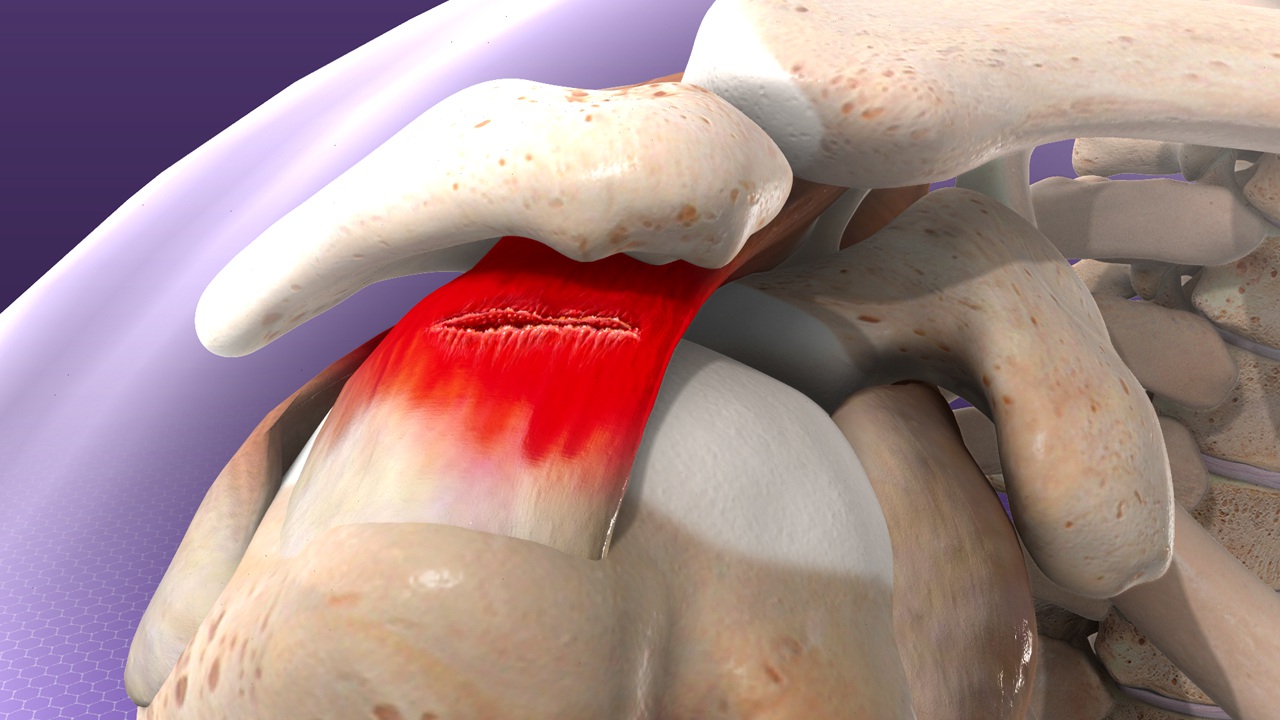
The rotator cuff consists of a group of four muscles and their associated tendons that converge around the shoulder joint. These structures work together to keep the head of your upper arm bone firmly situated within the shallow socket of the shoulder, facilitating the lifting and rotating of the arm. A rotator cuff tear occurs when one or more of these tendons become detached from the bone.
Tears typically fall into two main categories: partial and full-thickness. A partial tear damages the tendon but does not completely sever it. A full-thickness tear separates the tendon from the bone entirely. These injuries can develop acutely, such as from a sudden fall or lifting a heavy object with a jerking motion. Alternatively, they can manifest as degenerative tears. Degenerative tears occur gradually over time due to the natural wearing down of the tendon. Repetitive shoulder motions, decreased blood supply to the tendon as people age, and the development of bone spurs can all contribute to this gradual deterioration.
What Are the Symptoms?
Individuals with a rotator cuff tear often experience specific physical signs that prompt them to seek medical evaluation. Pain is the most common indicator. This discomfort frequently presents as a dull ache deep within the shoulder. The pain may worsen when resting on the affected side, often disrupting sleep. Lifting or lowering the arm typically triggers sharp pain. Weakness in the affected arm is another frequent sign, and makes everyday tasks difficult. Some individuals also report a crackling sensation when moving their shoulder in certain positions. In cases of acute tears, the pain is usually sudden and severe, accompanied by immediate weakness. Degenerative tears might start with mild pain that gradually intensifies over months. Over time, the pain may become continuous and present even at rest.
How Is One Treated?
Medical professionals tailor treatment plans based on the patient’s age, activity level, general health, and the specific characteristics of the tear. Non-surgical treatments are often the first approach for degenerative tears. These methods include resting the shoulder and modifying activities. Physical therapy plays a primary role in non-surgical management. Specific exercises restore flexibility and strengthen the muscles surrounding the shoulder, relieving pressure on the damaged tendon. Healthcare providers may also suggest nonsteroidal anti-inflammatory drugs to reduce pain and swelling, or administer steroid injections directly into the shoulder joint for more localized relief.
If conservative treatments do not relieve the symptoms, or if the tear is acute and severe, surgical intervention becomes an option. Surgeons employ various techniques to repair the torn tendon. Arthroscopic repair involves making small incisions and using a miniature camera and instruments to reattach the tendon. Open repair requires a larger incision for more complex tears. Following any surgical procedure, a comprehensive rehabilitation program is necessary. Eventually, patients progress to active exercises to rebuild strength and regain full functional mobility.
Seek Professional Orthopedic Care
The recovery process following a rotator cuff injury requires time and specialized guidance. Consulting an orthopedic specialist guarantees that you receive an accurate diagnosis and a customized recovery plan. These professionals possess the necessary expertise to monitor your healing progress through imaging technologies and clinical assessments. They will modify your rehabilitation protocol as your shoulder regains strength and mobility, preventing premature stress on the recovering tissues. Engaging with continuous orthopedic care provides the structured support necessary to restore your shoulder function and return to your daily activities safely.
Sorry, the comment form is closed at this time.