




07 Apr What You Need to Know About Wound Care Techniques
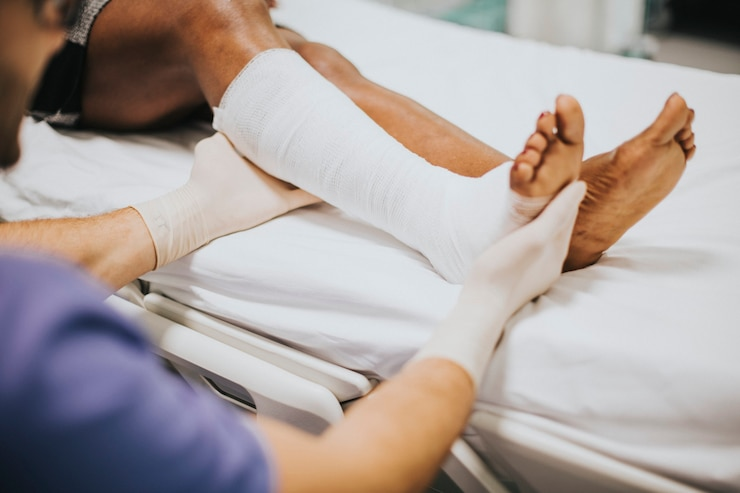
When individuals sustain cuts, abrasions, or ulcers that do not progress through the normal stages of recovery, specialized medical intervention becomes necessary. Non-healing wounds present a significant risk to health and can lead to severe infections if left untreated. Recognizing when a simple injury requires advanced wound care is a primary step in preventing complications.
What Is Wound Care?
Wound care encompasses a comprehensive array of medical treatments designed to heal injuries that fail to resolve on their own. Standard injuries typically heal within a few weeks through the body’s natural regenerative processes. A lesion can remain open or show no signs of improvement after four to six weeks. Medical professionals may classify this as a non-healing wound. At this stage, standard bandages and over-the-counter ointments are no longer adequate.
Advanced wound management involves a systematic evaluation of the injury, the surrounding tissue, and the patient’s overall health profile. Medical providers utilize specialized therapies to address the underlying factors preventing tissue regeneration. The primary objectives are to eliminate existing infections and create an optimal environment for repair. By applying targeted medical interventions, practitioners help the body overcome the barriers that stall the natural healing cycle, thereby reducing the risk of tissue death.
Who Needs This Care?
Certain systemic health issues severely impair the body’s ability to repair damaged tissue, and diabetes is a prominent condition associated with chronic ulcers. Elevated blood sugar levels systematically damage blood vessels, particularly in the lower extremities. This vascular damage restricts the flow of oxygen-rich blood required for cellular repair. Consequently, minor scrapes or blisters on the feet can rapidly deteriorate into severe diabetic ulcers.
Vascular diseases also play a significant role in delayed healing. Chronic venous insufficiency occurs when the veins in the lower legs fail to circulate blood efficiently back to the heart. This leads to increased pressure, forcing fluid into surrounding tissues and eventually causing the skin to break down into venous ulcers. Peripheral artery disease presents a similar threat by causing cholesterol plaque to accumulate within the arteries. The resulting blockage deprives the tissues of necessary oxygen, frequently leading to non-healing arterial ulcers. Patients with these diagnoses require proactive medical monitoring.
What Does It Involve?
The treatment process begins with a thorough assessment to determine the severity and primary cause of the non-healing injury. Following this evaluation, practitioners often perform debridement, a procedure that removes necrotic or infected tissue from the site. Clearing away dead cells provides a clean foundation for new tissue to form and prevents bacteria from multiplying.
Medical providers then implement targeted therapies based on the specific needs of the patient. Infection management frequently involves the administration of antibiotics, which can be paired with antimicrobial dressings. To actively stimulate cellular regeneration, specialists might administer platelet-rich plasma injections. In cases involving severe structural damage, surgical interventions such as flap reconstruction or skin grafting become necessary to close the lesion. Practitioners also provide nutritional guidance and offloading techniques, such as custom orthotics, to relieve physical pressure on the affected area.
Meet With a Specialist
Addressing a persistent ulcer requires a multifaceted medical approach tailored to the individual’s specific health profile. A podiatric surgeon or dedicated specialist possesses the specific training required to navigate these complex cases. Taking prompt action is an effective way to halt the progression of an infection and preserve the integrity of the affected limb. Beyond treating the immediate injury, specialists can provide valuable education on preventive strategies to protect vulnerable skin from future trauma. By partnering with a dedicated medical professional, individuals may establish a long-term plan that manages their underlying conditions and sustains their overall physical well-being.
Sorry, the comment form is closed at this time.