




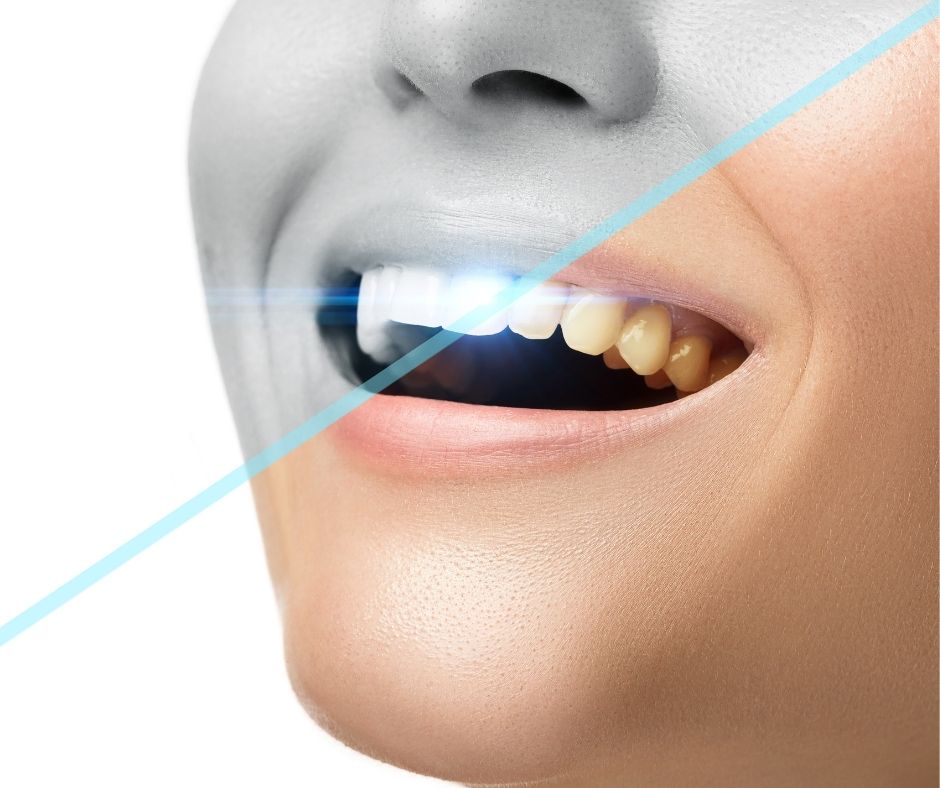
05 Jan What You Need To Know About Professional Teeth Whitening
Many cosmetic dental procedures help improve the aesthetic appearance of the smile. Teeth whitening is a standard clinical procedure designed to safely lighten the color of natural tooth enamel. Understanding this procedure helps patients make informed decisions about their dental care options. Here is more information on teeth whitening, what it involves, and the benefits:
What Is Teeth Whitening?
Teeth whitening is a cosmetic dental treatment that utilizes chemical agents to break down pigmentation on the enamel surface. The active ingredient penetrates the microscopic, porous enamel. This chemical reaction oxidizes stain molecules, so the teeth appear lighter in color without altering the tooth structure.
Stains typically accumulate over time due to specific dietary habits, tobacco use, or natural aging processes. Professional treatments differ from over-the-counter options because they utilize higher concentrations of active whitening agents. A dentist supervises the procedure to monitor potential sensitivity, and they adjust the treatment plan to maximize the final results.
What Are the Different Types?
Take-home whitening trays are plastic mouthpieces that fit over a patient’s dental arch. The patient applies a specific volume of whitening gel into these trays at home, and they wear them for a specified duration each day or overnight. In-office whitening is a clinical procedure performed entirely within the dental clinic during a single appointment. A dentist applies a high-concentration peroxide gel to the teeth, and they use a specialized light to accelerate the chemical reaction.
What Does the Process Involve?
The process begins with a comprehensive dental examination to evaluate the patient’s current oral health status. The dentist checks for cavities, gum disease, or exposed roots to improve the patient’s dental health. A professional cleaning removes surface plaque and calculus, so the whitening agent can contact the enamel surface directly.
For in-office treatments, the dental team places a protective barrier over the gum tissue to prevent irritation. The whitening gel is carefully applied to the visible surfaces of the teeth, and a blue light is shone on the teeth. The dentist then removes the gel and rinses the teeth, repeating the process until the desired shade change is achieved. Post-treatment instructions are provided to maintain the results.
What Are the Benefits?
Professional whitening offers distinct advantages in efficacy compared to generic store-bought kits. Dental professionals monitor the soft tissues during the procedure, enabling a safe procedure. The fit of professional trays prevents gel leakage, and it allows even coverage across the entire dental arch.
Another significant benefit is the speed at which visible aesthetic results are obtained. High-concentration gels work faster than lower-dose alternatives, meaning patients achieve their aesthetic goals in less time. Customization allows the dentist to adjust the formulation based on the patient’s reported sensitivity levels or enamel thickness.
The longevity of the results is typically superior when the procedure is overseen by a dental professional. Patients receive guidance on maintenance and hygiene, and they have access to ongoing professional treatment. This ongoing support helps preserve the brighter shade, providing a lasting improvement to the patient’s smile.
Know What To Expect
Understanding the mechanisms and types of teeth whitening helps patients manage their expectations regarding the outcome. Results vary based on the initial shade of the teeth, but professional treatment may yield noticeable aesthetic improvements. Consult with a dental professional today to achieve a brighter, healthier-looking smile.
No Comments