




11 Mar What Technology Is Used in Colonoscopy Procedures?
A colonoscopy is a medical procedure used to examine the inner lining of the large intestine. Gastroenterologists rely on specialized instruments to view the lining of the colon in detail. This level of visualization assists in diagnosing various conditions, and it guides subsequent medical decisions. Here is more information on this procedure, why it is conducted, what it involves, and the benefits it offers:
What Is a Colonoscopy?
A colonoscopy is a visual examination of the colon and rectum performed using specialized medical equipment. The procedure allows a gastroenterologist to inspect the entire length of the large intestine for changes or abnormalities. Medical professionals use this method to screen for colon cancer, and they use it to investigate gastrointestinal symptoms.
Why Is It Conducted?
Doctors recommend this procedure to investigate signs of intestinal issues and to help diagnose the cause of abdominal pain or bleeding. It serves as a preventative screening tool for colorectal cancer in adults over a certain age. Medical providers look for polyps during the examination, and they can remove these growths before they become malignant.
Routine screenings detect early signs of disease, and early detection may improve patient outcomes. Patients with a family history of colon cancer face a higher risk. Regular examinations help track changes in the intestinal tract over time, guiding long-term treatment plans.
What Technology Is Used?
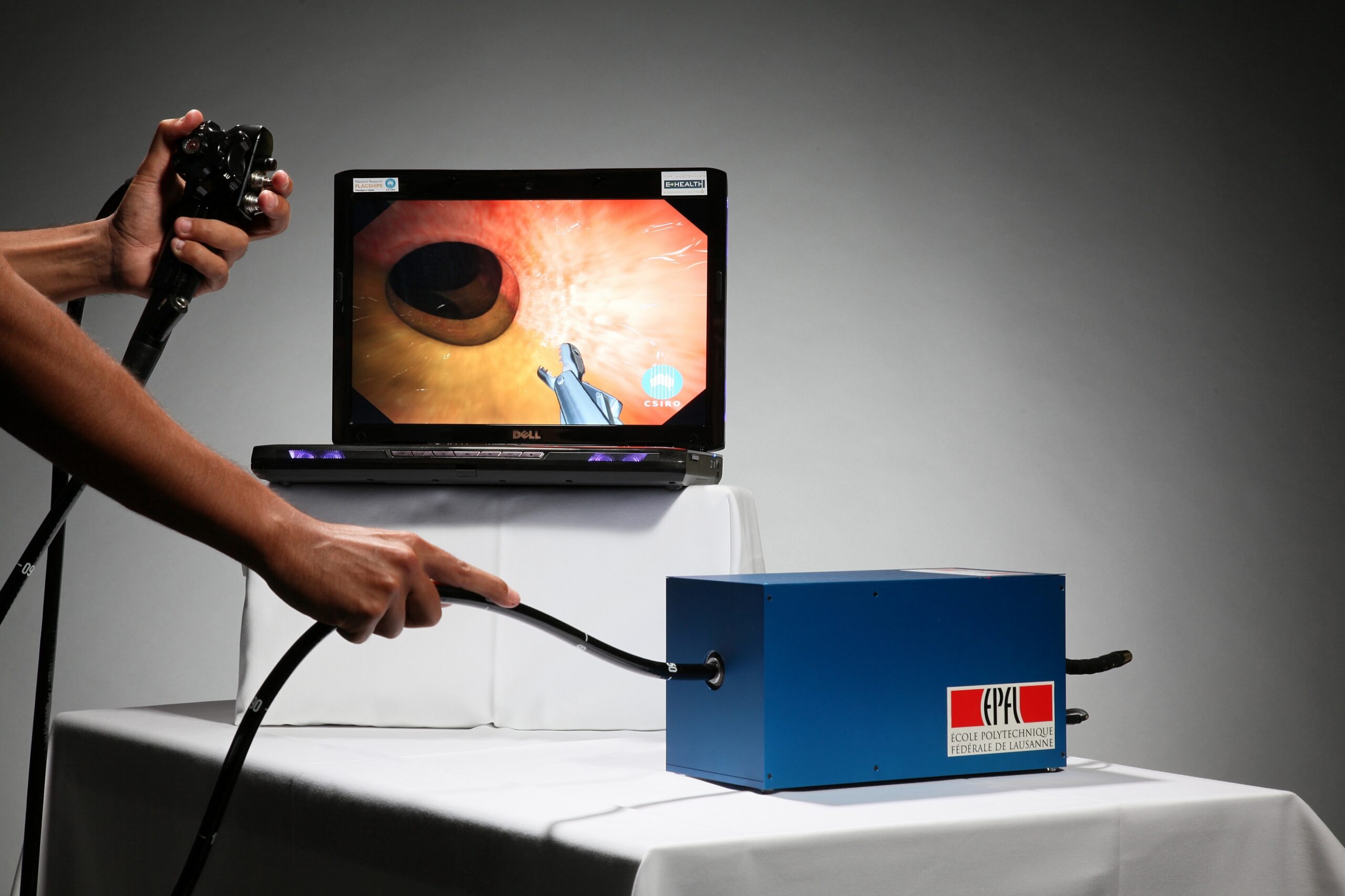
The primary instrument used during this procedure is a colonoscope, a long, flexible tube. A small video camera attaches to the tip of the tube, and it transmits live images to an external monitor. This camera has a light source to illuminate the inside of the colon, allowing the doctor to see the tissue clearly.
The colonoscope also features an internal channel, and doctors may use this pathway to insert specialized medical instruments. These tiny instruments allow the physician to take tissue samples or remove polyps directly. The high-definition monitors display the colon lining in precise detail, aiding accurate medical assessments.
What Does the Process Involve?
Patients receive preparation instructions before the appointment, and they empty their bowels completely. During the procedure, the doctor inserts the colonoscope into the rectum and slowly guides it through the entire colon. The camera transmits continuous video to the screen, allowing the gastroenterologist to examine the tissue carefully. After reaching the end of the colon, the doctor slowly withdraws the tube.
The patient rests in a recovery area after the tube is removed. The doctor reviews the findings with the patient, and they discuss any immediate results or required follow-up steps. Tissue samples are sent to a laboratory for further testing, with the patient receiving the results later.
What Are the Benefits?
The primary benefit is the early detection of colorectal cancer, which helps improve survival rates. Doctors can identify precancerous polyps, and direct visual inspection provides valuable diagnostic data. This diagnostic tool provides answers for patients with chronic digestive issues. It also guides the development of an effective treatment plan.
Learn More From a Gastroenterologist
A colonoscopy uses advanced technology, such as a colonoscope, to examine the large intestine, and it provides valuable diagnostic information. The combination of high-definition cameras and specialized instruments allows doctors to detect and treat issues. Speak with a gastroenterologist today to discuss your digestive health.
Sorry, the comment form is closed at this time.