




16 Mar Ways To Treat Glaucoma
Glaucoma is a broad term for a group of eye conditions that damage the optic nerve. Because the optic nerve is fundamental for transmitting visual information from the eye to the brain, maintaining its health is invaluable. This damage is frequently related to abnormally high pressure inside the eye, known as intraocular pressure. Glaucoma is a leading cause of vision changes in older adults, making early detection and intervention efforts necessary. Here’s information on eye surgeons and the medical approaches they offer to support long-term eye health:
Minimally Invasive Glaucoma Surgery
Minimally invasive glaucoma surgery, commonly referred to as MIGS, represents a modern approach to managing intraocular pressure. These procedures aim to lower eye pressure effectively. MIGS involves microscopic equipment and tiny incisions, which generally lead to faster recovery times than traditional, more extensive surgical interventions.
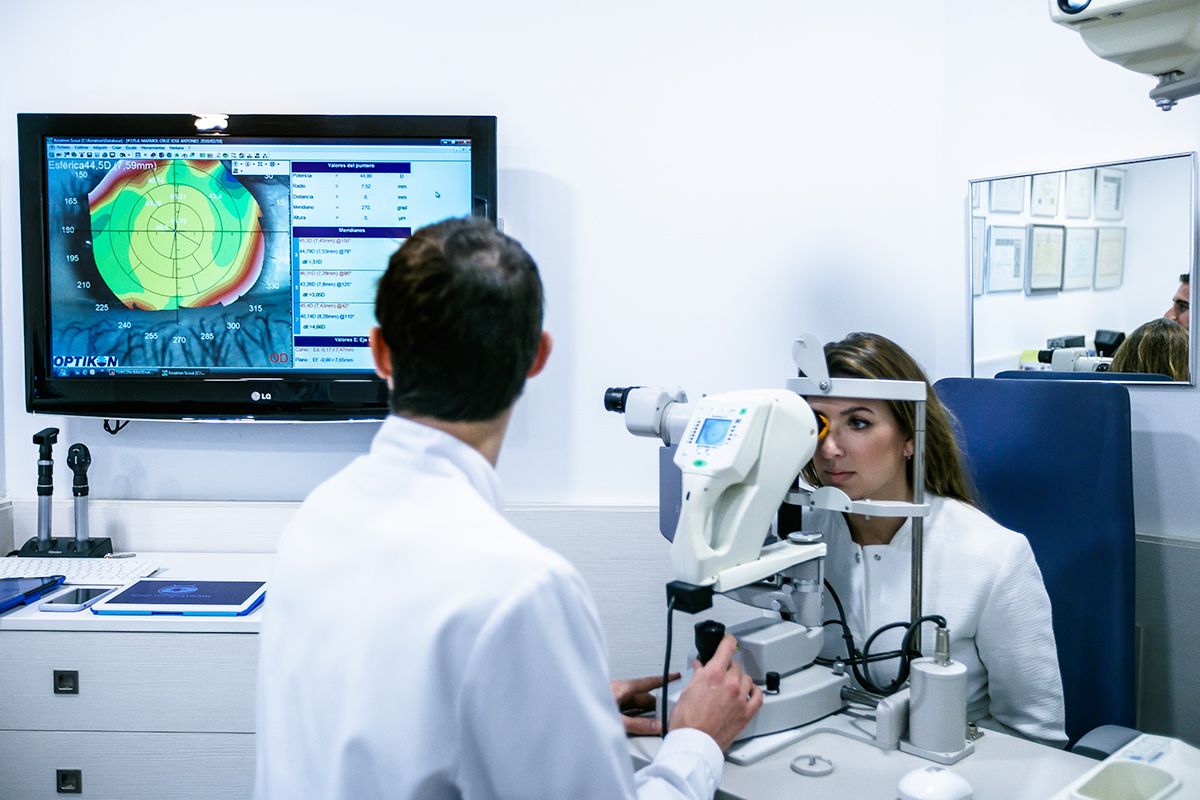
Eye surgeons, or ophthalmologists, are doctors who specialize in the diagnosis and surgical management of eye conditions. Equipped with advanced expertise, eye surgeons perform delicate procedures such as cataract removal, corneal transplants, and glaucoma surgeries to preserve and restore vision. Their role is key to managing complex eye conditions, helping many individuals maintain their ocular health.
What Causes Glaucoma
To understand how glaucoma treatments work, it helps to understand the underlying mechanics of the eye. The eye constantly produces a clear fluid called aqueous humor, and this fluid must drain properly to maintain healthy pressure. It typically flows out through a drainage angle located where the iris and cornea meet. When this drainage system becomes blocked or operates inefficiently, fluid builds up. The resulting increase in intraocular pressure places stress on the optic nerve, eventually causing structural damage.
How MIGS Improves Drainage
MIGS procedures aim to enhance the eye’s natural fluid pathways rather than creating entirely new ones. Surgeons make very small incisions to access the affected area, and they use specialized microscopic instruments to clear or bypass blockages. This approach creates minimal trauma to the surrounding scleral tissues. By improving the natural outflow of aqueous humor, these procedures help stabilize internal eye pressure.
iStent
The iStent is a specific device used during minimally invasive glaucoma procedures. It is a microscopic titanium tube designed to bypass the primary site of blockage in the eye’s drainage system. Surgeons often implant the iStent during standard cataract surgery. Once placed in the trabecular meshwork, the device creates a permanent, open channel. This pathway allows aqueous humor to bypass the blocked tissue and flow directly into the eye’s natural collection channels. It is currently one of the smallest medical devices approved for human implantation.
Glaucoma Laser Surgery
Glaucoma laser surgery is another intervention to control intraocular pressure, utilizing focused light beams to target the eye’s drainage network. Laser surgery modifies the existing cellular tissue without requiring any physical incisions, while minimally invasive surgery relies on physical manipulation to achieve results. Procedures like selective laser trabeculoplasty aim to stimulate the drainage tissue to work more efficiently. By causing biological changes in the trabecular meshwork, the laser helps increase fluid outflow. Because it does not involve cutting the eye or implanting foreign devices, it is fundamentally different from structural surgical options.
Trabeculectomy is a traditional surgical procedure typically reserved for more advanced cases where other interventions have not effectively reduced pressure. During this surgery, the surgeon creates a small scleral flap and removes a portion of the blocked trabecular meshwork. This process creates a new drainage channel for aqueous humor to leave the eye. The fluid then collects under the conjunctiva, forming a small reservoir known as a filtration bleb, where it is naturally absorbed into the surrounding blood vessels.
How Eye Surgeons Benefit Your Eyes
Navigating a glaucoma diagnosis can be challenging, but medical specialists are available to effectively support your eye health. Each procedural approach offers different mechanisms for reducing intraocular pressure. Eye specialists evaluate your anatomy and disease progression to recommend the most appropriate intervention. To learn about your treatment options, contact an ophthalmologist to schedule an eye consultation.
Sorry, the comment form is closed at this time.