




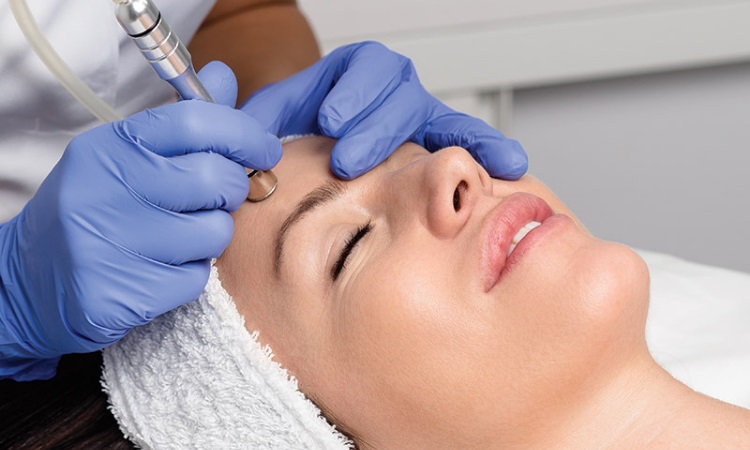
27 Feb Using PRP Therapy for Skin Rejuvenation
Skin rejuvenation treatments help restore a youthful appearance by addressing common concerns like fine lines, wrinkles, and uneven texture. PRP therapy is an effective option for patients seeking natural-looking results, and it uses the body’s own healing mechanisms to improve skin quality. Understanding how PRP therapy works can help you determine if it’s the right treatment for your aesthetic goals. Here is more information on skin rejuvenation:
What Is Skin Rejuvenation?
Skin rejuvenation refers to treatments designed to improve the appearance and texture of the skin. These procedures target signs of aging, sun damage, and other skin imperfections. PRP therapy is a skin rejuvenation method, and it offers a minimally invasive approach to enhance skin health.
What Is PRP Therapy?
PRP stands for platelet-rich plasma, which is derived from your own blood. The treatment involves extracting a small blood sample, processing it to concentrate the platelets, and then injecting the PRP into targeted areas of the skin. Platelets contain growth factors that stimulate collagen production and tissue repair, and these biological compounds support the skin’s natural healing process.
How Does It Work?
The growth factors in PRP trigger cellular regeneration in the treated areas. When injected into the skin, these growth factors stimulate the cells responsible for producing collagen and elastin. Increased collagen production leads to firmer, more youthful-looking skin over time, and consulting a specialist helps determine whether this treatment is right for you.
The body responds to PRP injections by initiating a healing response in the targeted tissue. This process gradually improves skin tone, texture, and elasticity. Results develop progressively as collagen remodeling occurs, and patients may notice visible improvements within a few weeks after treatment.
What Does the Process Involve?
The process begins with a consultation to assess your skin concerns and determine if you’re a suitable candidate. During the treatment appointment, a small blood sample is drawn from your arm. The blood is then placed in a centrifuge, and it spins at high speed to separate the plasma and concentrate the platelets.
Once the PRP is prepared, the treatment area is cleansed. The concentrated PRP is then injected into specific areas of the face or other treatment zones using fine needles. After the injections, you may experience mild redness, swelling, or bruising at the injection sites. Patients can return to their normal activities shortly after treatment, although your provider may recommend avoiding strenuous exercise and direct sunlight for a brief period.
What Are the Benefits?
PRP therapy offers several advantages for patients seeking skin rejuvenation. The treatment uses your own blood, and this reduces the risk of allergic reactions or complications. This natural approach benefits patients who prefer minimally invasive options with lower risk profiles.
The treatment addresses multiple skin concerns simultaneously. PRP therapy can improve fine lines, wrinkles, skin texture, and overall tone. Patients may also notice improved skin elasticity and a more radiant complexion after completing their treatment series, and some patients choose to undergo maintenance treatments to sustain their results.
Learn More About Skin Rejuvenation
PRP therapy provides a natural approach to skin rejuvenation by harnessing your body’s healing abilities. The treatment involves extracting and concentrating platelets from your blood, then injecting them into targeted areas to stimulate collagen production and tissue repair. Schedule a consultation with a qualified aesthetic provider and learn whether PRP therapy is appropriate for your skin rejuvenation goals.
No Comments