




04 Dec Understanding the Role of Regular Dental Checkups
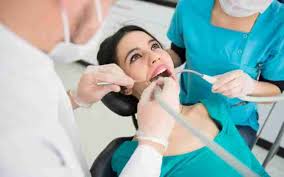
Regular dental checkups allow a dentist to evaluate your teeth, gums, and overall oral health. These visits help identify early changes and support healthy habits that protect the mouth over time. During a checkup, the provider reviews daily hygiene routines, looks for signs of decay or gum concerns, and cleans areas that brushing and flossing may miss. Many patients schedule these visits twice a year because consistent appointments make cleanings easier to manage and keep buildup under control. Here is more information about dental checkups and how they can help support oral health:
Maintaining Healthy Teeth
Healthy teeth rely on strong enamel, clean surfaces, and gums that support each tooth. Regular visits to a dentist help maintain these elements of oral health. During each appointment, the dentist checks for early signs of enamel wear or gum irritation, and these evaluations guide preventive care and support timely intervention when concerns occur.
Professional cleanings contribute to oral health and keep teeth clean, even when brushing and flossing are practiced at home. Removing plaque reduces the riskof lingering bacteria near the gumline. While at-home care continues this protection, routine cleanings give the teeth a smoother surface that resists plaque buildup. Twice-yearly visits may make the cleaning process more comfortable because less buildup forms between appointments.
Routine appointments help preserve the natural structure of the teeth and may help avoid more complex procedures in the future. When plaque or tartar remains in place for too long, the risk of developing cavities increases. Since each visit builds on earlier records, the provider can follow changes in the mouth and offer treatment recommendations based on long-term patterns.
Dental Cleaning Steps
A standard cleaning involves several steps that address different parts of oral hygiene. The first step often includes using specialized instruments to remove plaque and tartar from around the teeth. This process reaches areas that can be hard to clean at home. It also prepares the teeth for polishing by smoothing the surfaces.
Polishing removes surface debris left after tartar removal. The polishing paste helps brighten the tooth surface’s texture without whitening, and it creates a smooth finish that slows the accumulation of new plaque. After polishing, the provider flosses between each tooth to remove any remaining particles. This step supports gum health and completes the cleaning by clearing debris from tight spaces.
Preventive Treatments and Records
Preventive treatments during a checkup may strengthen the teeth or support early detection of oral concerns. Fluoride applications help protect the enamel by reinforcing the outer layer of each tooth. X-rays may detect issues that are not visible during the visual exam, such as early decay between teeth or changes in the bone structure.
Comprehensive dental records play a meaningful role in ongoing care. When a dentist reviews past X-rays and notes, they can track patterns that develop slowly over time. This long-term perspective helps the provider recognize subtle but impactful changes. With detailed records, the provider can make informed decisions about treatment needs and monitor progress from one visit to the next.
Consult a Dentist to Learn More
Regular checkups support oral health by combining professional evaluation, preventive cleaning, and treatments that strengthen the teeth. Each appointment builds on earlier records to offer a clearer picture of long-term dental needs. Consistent visits also help maintain hygiene habits year-round. For more information about the role of regular checkups in your oral health, consult your dental provider.
No Comments