




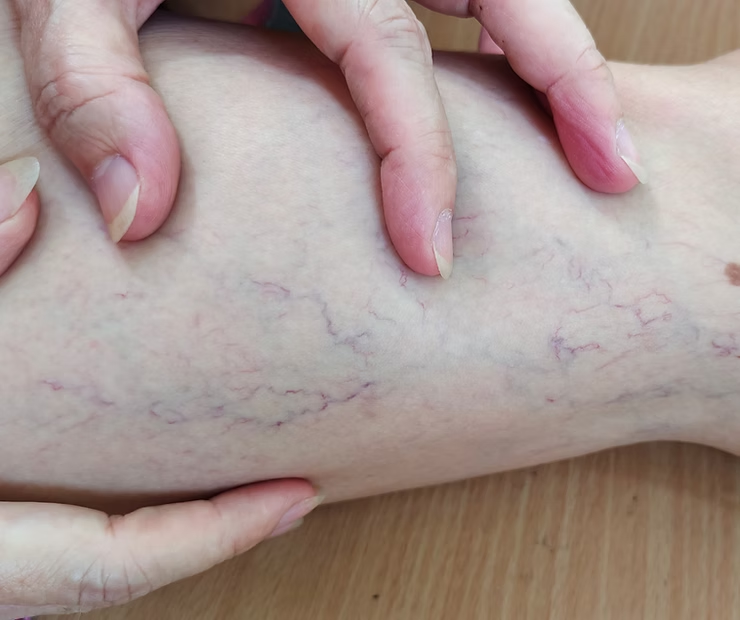
08 Apr Treatment Options and Prevention Tips for Spider Veins
Spider veins are small, damaged blood vessels that appear near the surface of the skin. They typically manifest as thin, branching lines in shades of red, blue, or purple, and they are most commonly on the legs and face. Although usually harmless and do not pose a severe health threat, many people treat them for cosmetic reasons. Others seek treatment to ease mild physical discomfort. Several treatment and prevention options are available to help manage the appearance of these visible veins.
Common Causes of Spider Veins
Several factors contribute to the development of spider veins, often working in combination to weaken blood vessels over time. Genetics play a significant role, and you are more likely to develop them if your relatives have a history of vascular issues. Hormonal fluctuations also represent a primary contributing factor. These changes frequently occur during pregnancy, puberty, or with the use of certain medications like oral contraceptives.
Daily routines that involve prolonged standing or sitting can increase internal pressure on the veins in your lower body. Over time, this persistent pressure weakens or malfunctions the small, one-way valves inside the veins. Age is another factor, and the natural aging process leads to a loss of skin elasticity and vein valve strength. On the face, prolonged sun exposure can damage the skin and dilate small blood vessels, leading to a spider-like appearance.
Treatment Options for Spider Veins
When managing existing spider veins, specialists rely on a combination of clinical interventions and daily habit changes.
Minimally Invasive Procedures
Specialists often recommend minimally invasive approaches to address visible veins without the need for extensive surgery. Sclerotherapy is a standard procedure that involves injecting a specialized solution directly into the affected vein. This solution causes the vessel walls to seal shut, redirecting blood to healthier veins while the treated vein slowly fades. Laser therapy is another widely used approach for smaller veins, particularly on the face. This method directs focused, intense light at the targeted blood vessel to gradually dissolve it without breaking the surrounding skin. Both procedures are performed in a clinical setting and require minimal downtime, and they focus on improving the skin’s physical appearance.
Lifestyle Adjustments
Making changes to your daily habits can support your vein health, and these adjustments help improve blood flow over time. Incorporating regular, low-impact exercise into your routine helps your calf muscles pump blood more efficiently. Activities such as walking, swimming, or cycling are particularly beneficial for lower extremity circulation. Elevating your legs above your heart level while resting can also reduce the volume of pooled blood in the lower extremities. Maintaining a healthy body weight reduces the overall structural burden placed on your leg veins during daily activities.
Prevention Tips
While it is not always possible to prevent spider veins entirely, you can take practical steps to reduce your overall risk. First, avoid sitting or standing in a single position for extended periods. Try taking brief walks every hour to keep blood circulating actively throughout your lower body. Wearing compression stockings is another proactive measure to support vascular health. These garments apply gentle pressure to your lower legs, and this steady pressure assists your veins in moving blood efficiently back toward your heart. Protect your skin from sun exposure by applying a broad-spectrum sunscreen to limit the dilation of small facial blood vessels.
Talk to a Specialist Today
Understanding your available options is the first step toward managing your vascular health. Because individuals experience different symptoms, physical conditions, and cosmetic concerns, professional guidance is recommended. Talk to a specialist today to discuss your specific situation, and they will help you understand the most appropriate management strategies. A qualified vein specialist can evaluate your physical condition carefully, explain the procedures in detail, and provide structured support for your long-term vein health.
Sorry, the comment form is closed at this time.