




03 Apr The Role of Root Canals in Saving Natural Teeth
A root canal is a standard dental procedure that treats internal tooth infections and preserves your natural tooth structure. This treatment stops decay that has reached the pulp, and it helps maintain the function and appearance of your tooth. This promotes long-term oral health.
Indicators of Tooth Infection
Facial swelling is possible, and sensitivity to hot or cold temperatures can develop Certain signs point to internal dental problems. You have discomfort when drinking ice water or hot coffee. Darkening of a tooth, whether gradual or sudden, occurs, or you see swollen gums near the tooth. Sometimes swelling is mild, but it becomes noticeable enough to disrupt daily routines. Tender or bleeding gums are present during routine activities such as brushing or flossing. A recurring pimple can appear on the gums near the affected tooth and sometimes leaks fluid.
If symptoms develop, you should be evaluated by a dental professional. Persistent bad breath not helped by brushing or mouthwash signals internal issues. Early attention limits infection spread. Discomfort varies from person to person; some experience only mild discomfort. Others find eating, speaking, or sleeping difficult. Ignoring these symptoms lets bacteria multiply, and it may cause additional oral health problems. Timely diagnosis supports the next steps, and it aids the least invasive treatment options.
Advantages of Tooth Preservation
Tooth extraction is generally recommended only after other options have been reviewed. Missing teeth often contribute to shifting, and your natural bite sometimes becomes misaligned. When a tooth in the back is removed, adjoining teeth may move into the space. Choosing a root canal helps you keep the tooth, supporting the health of the surrounding teeth. Preserving your teeth supports more comfortable and efficient chewing. Your smile stays natural, and daily speech is not affected. Surrounding teeth experience normal wear and tear, because with your tooth preserved, no extra pressure is put on neighboring teeth. Biting pressure usually continues as usual, and you do not need to change your eating preferences. Keeping your original tooth supports the structure of your mouth and the balance of forces during chewing. Preserving your tooth is a practical decision that could help you avoid extra dental procedures.
Steps of Root Therapy
Types of root canal include:
- Pediatric root canal
- Root canal treatment
- Holistic root canal
- Root canal retreatment
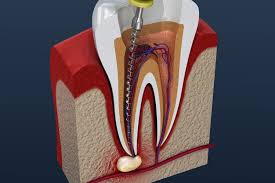
The dentist begins with local anesthesia for comfort. The area is numbed, and the dentist isolates the affected tooth with a dental dam for protection. Small openings provide access to the infected pulp, helping maintain precision and reduce the risk of infection spread. After the pulp is accessed, the dentist removes it, and the canals are cleaned with specialized instruments. This cleaning step removes bacteria and debris. The dentist seals the tooth, and they usually place a temporary filling. Later, a permanent crown adds support and restores the tooth’s shape and function. Healing is usually quick, and mild soreness is managed with over-the-counter medication. If you have concerns or questions, your dental team will provide clear explanations and helpful aftercare guidance.
Schedule a Root Canal Today
Timely treatment saves your natural dental structure. Dental health impacts overall wellness, and professionals offer endodontic solutions. Because untreated infections spread rapidly, you should schedule a diagnostic visit. Contact your local dental office today for an evaluation.
/l
Sorry, the comment form is closed at this time.