




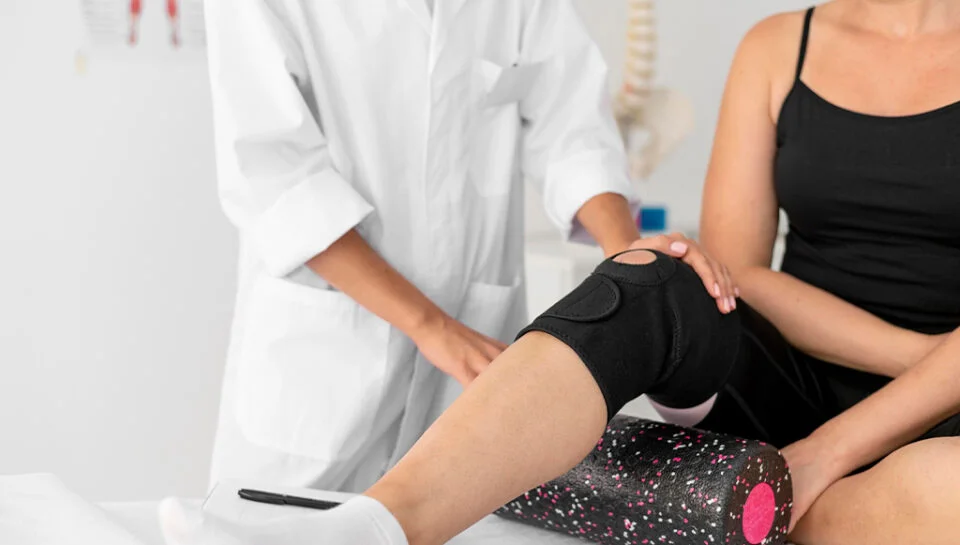
14 Mar The Role of Physical Therapy in Arthritis Management
Arthritis involves the inflammation of one or more joints, and it typically causes joint pain and stiffness. This condition often leads to decreased mobility, making everyday tasks difficult to complete. Arthritis is a chronic condition, but physical therapy offers a structured approach to managing its physical impact. Physical therapists work with individuals to maintain joint function, support overall mobility, and provide strategies for navigating daily activities with less discomfort. Physical therapy serves as a core component of a comprehensive arthritis management plan. This is achieved through a combination of targeted exercises, education, and supportive techniques.
Role of Physical Therapy
The primary role of physical therapy in managing arthritis is to help you maintain your current level of physical function. It also focuses on preventing further mobility loss. When you first visit a physical therapist, they will conduct an assessment of your joints, muscle strength, and movement patterns. This evaluation allows them to understand how arthritis affects your specific body mechanics. Based on this assessment, the physical therapist develops a customized care plan tailored to your physical capabilities and daily requirements. This plan is not designed to cure arthritis; instead, it aims to support your musculoskeletal system and teach you ways to navigate physical limitations. The therapist acts as a guide, providing you with the necessary tools and knowledge to manage joint stress effectively over time.
Techniques Used in Physical Therapy
Physical therapists utilize a variety of practical methods to help manage arthritis symptoms. These techniques are chosen based on the severity of your condition and which specific joints are affected.
Common techniques include:
- Therapeutic Exercise: Therapists design specific movement routines to stretch tight muscles and improve overall flexibility. These exercises are low-impact to avoid placing unnecessary stress on vulnerable joints.
- Manual Therapy: This involves hands-on techniques where the therapist gently moves your joints and surrounding soft tissues. It aims to reduce stiffness and support better joint mechanics.
- Thermal Modalities: Therapists often apply hot or cold treatments to affected areas. Heat can help relax tight muscles before exercise, while cold applications can help manage localized swelling after physical activity.
- Assistive Device Training: If your arthritis affects your ability to walk or grip objects, a therapist can recommend and teach you how to use supportive devices like canes, walkers, or specialized grips.
Benefits of Physical Therapy
Participating in a consistent physical therapy program offers several practical advantages for individuals living with arthritis. By following a guided plan, you can learn how to protect your joints from unnecessary wear and tear. Regular, guided stretching helps maintain joint flexibility, making it easier to bend, reach, and walk. Physical therapy also focuses on strengthening the muscles around your joints and teaches you how to move safely during daily activities. With stronger muscles providing additional support, the physical burden on your cartilage and bones can be lessened. Therapists educate you about proper body mechanics, so you can lift objects, sit, and stand in ways that evenly distribute weight and minimize joint strain. If arthritis affects your lower body, physical therapy can address changes in gait and help you improve balance and stability with targeted exercises, reducing the risk of falls.
Ask About Arthritis Management Today
Managing arthritis requires a proactive and informed approach. If joint stiffness or discomfort is interfering with your regular routines, it is advisable to explore your management options with a healthcare professional. You can consult your doctor about physical therapy options, or you can seek a referral to a licensed physical therapist in your area. They can provide a thorough evaluation and help you build a personalized plan to support your mobility and daily function.
Sorry, the comment form is closed at this time.