




18 Mar The Role of Aftercare in Successful Tattoo Removal
Because personal tastes change over time, many individuals seek out medical procedures to erase tattoos. The laser breaks down ink particles in the skin, and the body naturally flushes them away over the following weeks. Following a strict post-treatment regimen promotes safe healing and prevents lasting damage to the skin. Here is more information about tattoo removal and aftercare:
Understanding Tattoo Removal
When patients undergo tattoo removal, high-intensity light beams target the pigment resting in the dermis layer of the skin. The laser energy shatters the ink into microscopic fragments. White blood cells then absorb these fragments, and the immune system eliminates them from the body naturally. The time it takes to complete the treatment and entirely erase the tattoo depends on the size and placement of the tattoo.
Explaining Procedure Steps
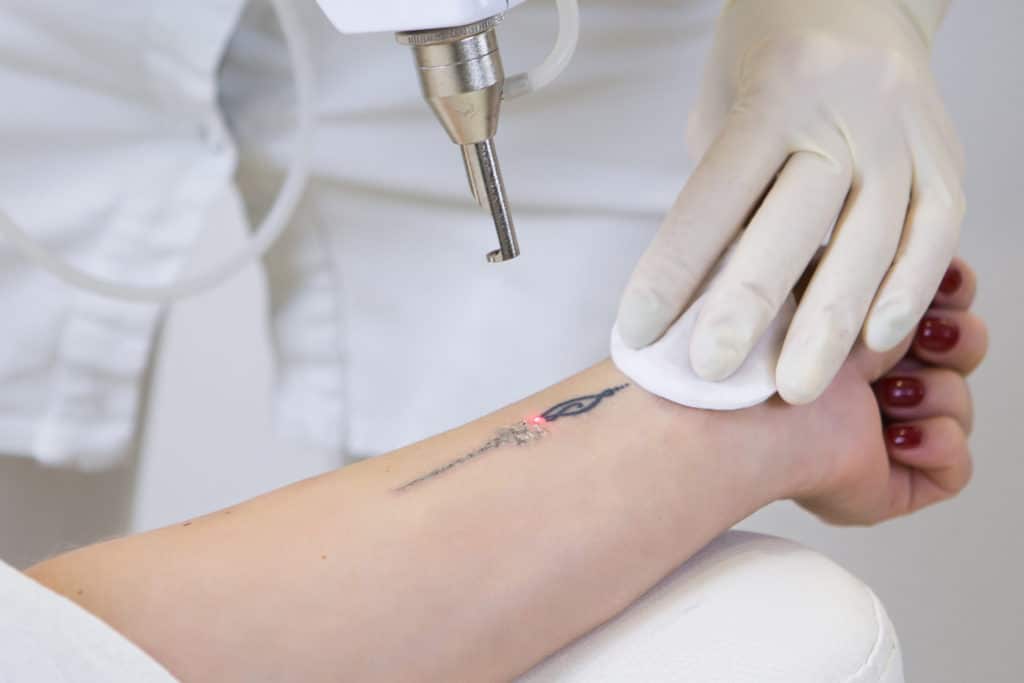
A technician cleans the area, and they apply a topical numbing agent to minimize discomfort. The provider guides the laser device directly over the unwanted tattoo. Because the light pulses rapidly, the sensation may feel like a rubber band snapping against the skin.
Patients may experience a few standard steps during their visit:
- Protective eyewear application to shield the eyes.
- Cooling device usage to soothe the treated tissue.
- Bandaging the treated area to block bacteria.
The actual laser application finishes quickly, depending on the size of the treated area, and the patient receives healing instructions before leaving the clinic. If the tattoo covers a large area, the appointment takes more time.
Managing Skin Aftercare
After the session ends, the skin needs gentle cleansing, and you can apply a healing ointment to help the tissue recover. While blisters may form during the first few days, you should never pop them. Touching the blisters introduces bacteria into the wound. Keep the area covered, as this helps the tissue heal and keeps it protected.
Sun exposure causes lasting hyperpigmentation on vulnerable skin. Because the laser makes the epidermis highly sensitive to ultraviolet rays, you can wear bandages over the treated region outdoors. You can apply sunscreen later, and your provider will tell you when the skin is ready.
Estimating Required Timelines
Healing timelines vary depending on the individual and the specific treatment performed. Typically, the initial redness and swelling subside within a few days, but complete recovery can take anywhere from six to 12 sessions, sometimes more. While you care for your skin between appointments, adhere to the aftercare instructions provided by your healthcare provider to help yield optimal results.
Complete fading takes multiple clinic visits. Providers space appointments to let the skin recover between each session, and this extended break gives the immune system adequate time to flush the fragmented ink. Since individual immune responses vary, the total timeline can vary widely.
Learn More About Tattoo Removal
Tattoo laser treatments break down the ink in the skin left by a tattoo, and your aftercare and healing habits partially dictate the final cosmetic result. Following provider instructions helps prevent scarring and irritation. It also keeps the surrounding skin healthy while you heal. If you want to learn more about tattoo removal, consult a tattoo removal provider near you.
Sorry, the comment form is closed at this time.