




19 Mar The Connection Between Skin Cancer and Sun Exposure
A dermatologist is a doctor who specializes in managing conditions related to the skin, hair, and nails. These professionals offer preventive services that protect your skin from long-term damage, identifying potential issues before they progress. During a preventative visit, a dermatologist conducts a thorough skin examination to document existing moles and identify any unusual changes. They also provide personalized education on environmental protection, helping you understand how to shield your skin from harmful elements safely. Here’s information on the connection between sun exposure and skin cancer:
Risk Factors for Skin Cancer
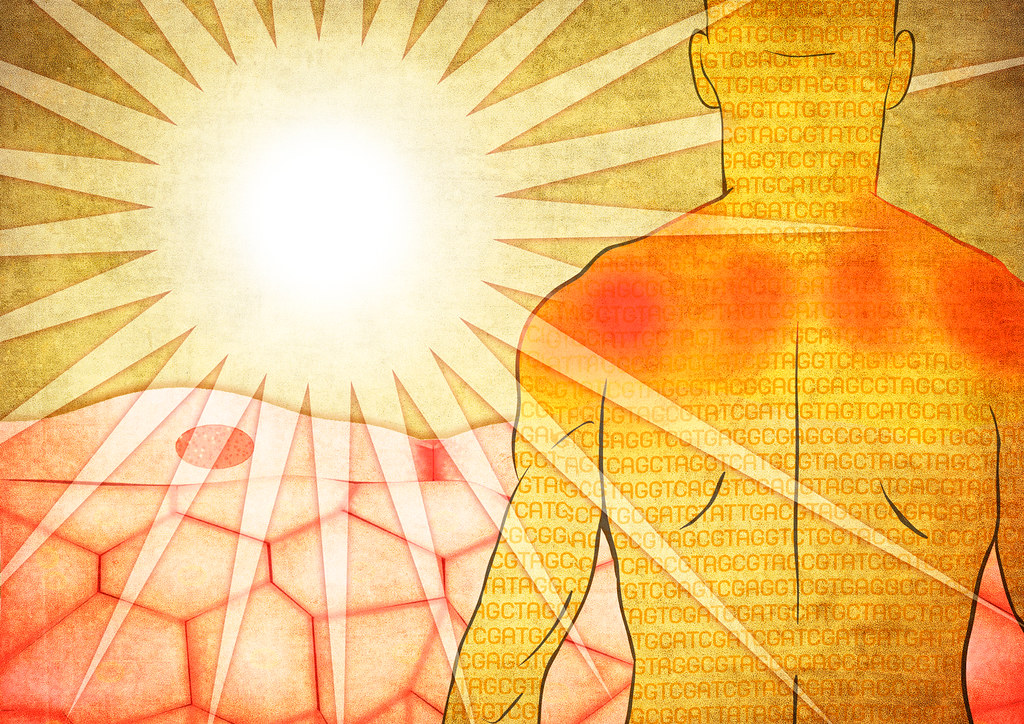
Skin cancer generally begins when errors occur in the DNA of skin cells, causing mutations. These mutations prompt the cells to grow out of control and form abnormal masses over time. A primary environmental contributor to this cellular change is ultraviolet (UV) radiation. Exposure to UV rays from daily sunlight, commercial tanning beds, and indoor fluorescent lighting affects skin health.
What Factors To Be Aware of
While some factors are within your daily control, others relate entirely to genetics and natural physical traits. Understanding the variables that increase your likelihood of developing skin issues is an invaluable step in proactive health management. Other notable risk factors include a family history of the disease, a fair complexion, and a high number of moles. A history of severe sunburns during childhood or adolescence also elevates your lifetime risk profile.
When To Visit a Specialist
Monitoring your skin at home is highly beneficial, but an evaluation is necessary when you notice certain skin changes. You should schedule a dermatology consultation if you observe a new growth, a sore that persistently fails to heal, or a mole that begins to itch or bleed. A dermatologist often looks for cancer signs like mole asymmetry, irregular borders, inconsistent color, or any noticeable changes in appearance. Early identification often leads to more straightforward and timely condition management efforts.
Effects of Sun Exposure
Sunlight provides warmth and light, but frequent, unprotected UV exposure has measurable impacts on human skin. UV radiation penetrates the epidermis, which is the outermost layer of the skin, and reaches the deeper dermis layer. This deep penetration breaks down collagen and elastin fibers, leading to a physical process known as photoaging.
Symptoms of photoaging include premature wrinkles, leathery texture, and hyperpigmentation, commonly referred to as sunspots. The sun emits UVA and UVB rays, and both types contribute to cumulative, long-term skin damage. Continuous exposure compromises the skin’s natural barrier and diminishes its ability to repair cellular damage efficiently over time.
Treatments for Skin Cancer
When a dermatologist identifies abnormal cells, they discuss various intervention methods based on their size, type, and location. Specialists often perform straightforward surgical excisions to remove the abnormal tissue, but they might also recommend topical medications for superficial concerns. For precise removals, particularly on the face or neck, providers may utilize specialized techniques that carefully remove tissue layer by layer until no abnormal cells remain. Advanced options, including targeted therapies or radiation, address more extensive cases.
Visit a Dermatologist Today
By documenting your skin health baseline, dermatologists effectively monitor subtle shifts over time, giving you prompt guidance and proactive care. Prioritizing your skin health requires consistent daily attention, as UV rays come from numerous sources, primarily the sun. A dermatologist can evaluate your risk factors to address subtle health changes early. Learn about your skin health by scheduling a dermatology consultation today.
Sorry, the comment form is closed at this time.