




13 Mar The Benefits of Pap Smears in Detecting Cervical Cancer Early
Cervical cancer is a preventable cancer when detected at an early stage, and Pap smears help achieve that. Regular screening gives healthcare providers the ability to identify abnormal cervical cells before they develop into cancer. Understanding the Pap smear process can help you make informed decisions about your health. Here is more information on these screenings, what they involve, and the benefits they offer in detecting cervical cancer:
What Is Cervical Cancer?
Cervical cancer develops when abnormal cells on the cervix grow and multiply uncontrollably, and without early detection, these cells can spread to other areas of the body. The cervix is the lower part of the uterus that connects to the vaginal canal. Pap smears are reliable tests for detecting the early signs of cervical cancer.
What Are Pap Smears?
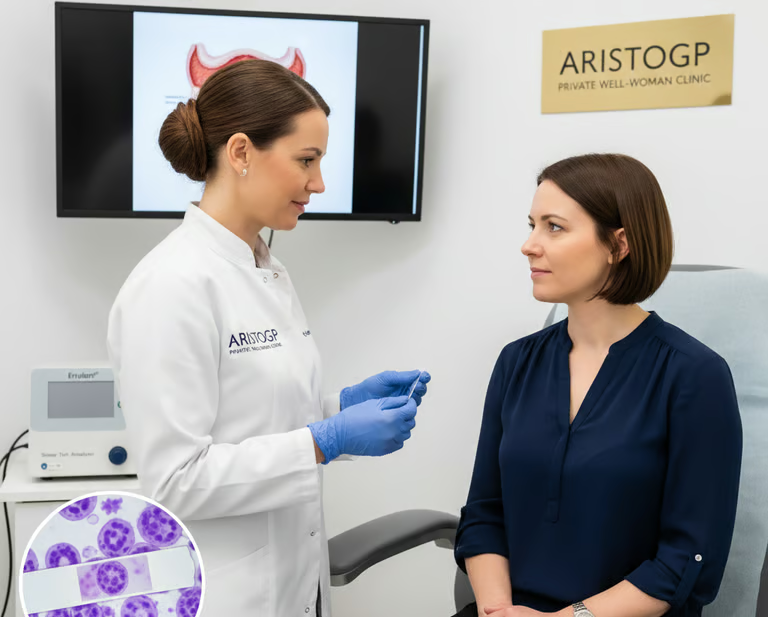
A Pap smear, also known as a Pap test, is a screening procedure used to detect abnormal cells on the cervix, and it is routinely performed during a gynecological exam. The test involves collecting a sample of cells from the cervix, which are then analyzed in a laboratory. Pap smears can detect cellular changes early. This gives patients a chance at receiving effective treatment.
Why Are They Conducted?
Pap smears are conducted to screen for cervical cancer and to detect precancerous cells before they become a more serious health concern. Early-stage cervical cancer typically has no noticeable symptoms, making routine screening a valuable method of detection. Healthcare providers generally recommend that patients begin Pap smear screenings at age 21, and the frequency of testing is determined by age and medical history.
What Does the Process Involve?
During a Pap smear, a healthcare provider will ask you to lie on an examination table. A speculum is gently inserted into the vagina to widen the vaginal canal. A small brush or spatula is then used to collect a cell sample from the cervix. The sample is sent to a laboratory, where it is examined under a microscope for any abnormalities.
The procedure is brief, typically lasting only a few minutes, and mild discomfort or light spotting may occur afterward. If abnormal cells are found, your healthcare provider will discuss the next steps with you, which may include further testing or treatment. Results may be available within a couple of weeks of the procedure.
What Are the Benefits?
A key benefit of a Pap smear is early detection, which increases the likelihood of successful treatment. When precancerous cells are identified before they develop into cervical cancer, less aggressive treatment options are often available, and recovery outcomes may improve. Regular screening also allows healthcare providers to monitor any cellular changes over time.
Pap smears also contribute to a broader understanding of your reproductive health, as they may be conducted alongside pelvic exams and STI testing. This makes them a practical, multi-purpose appointment that offers more than just cancer screening. Consulting a women’s health specialist helps determine when each patient should schedule these screenings.
Detect Cervical Cancer Early
Pap smears are an effective screening method for detecting abnormal cervical cells, and regular testing is a reliable way to prevent cervical cancer from advancing. The procedure provides valuable information about your cervical health. Early detection through routine screening gives you an opportunity for improved treatment outcomes. Speak with your healthcare provider about scheduling a Pap smear.
Sorry, the comment form is closed at this time.