




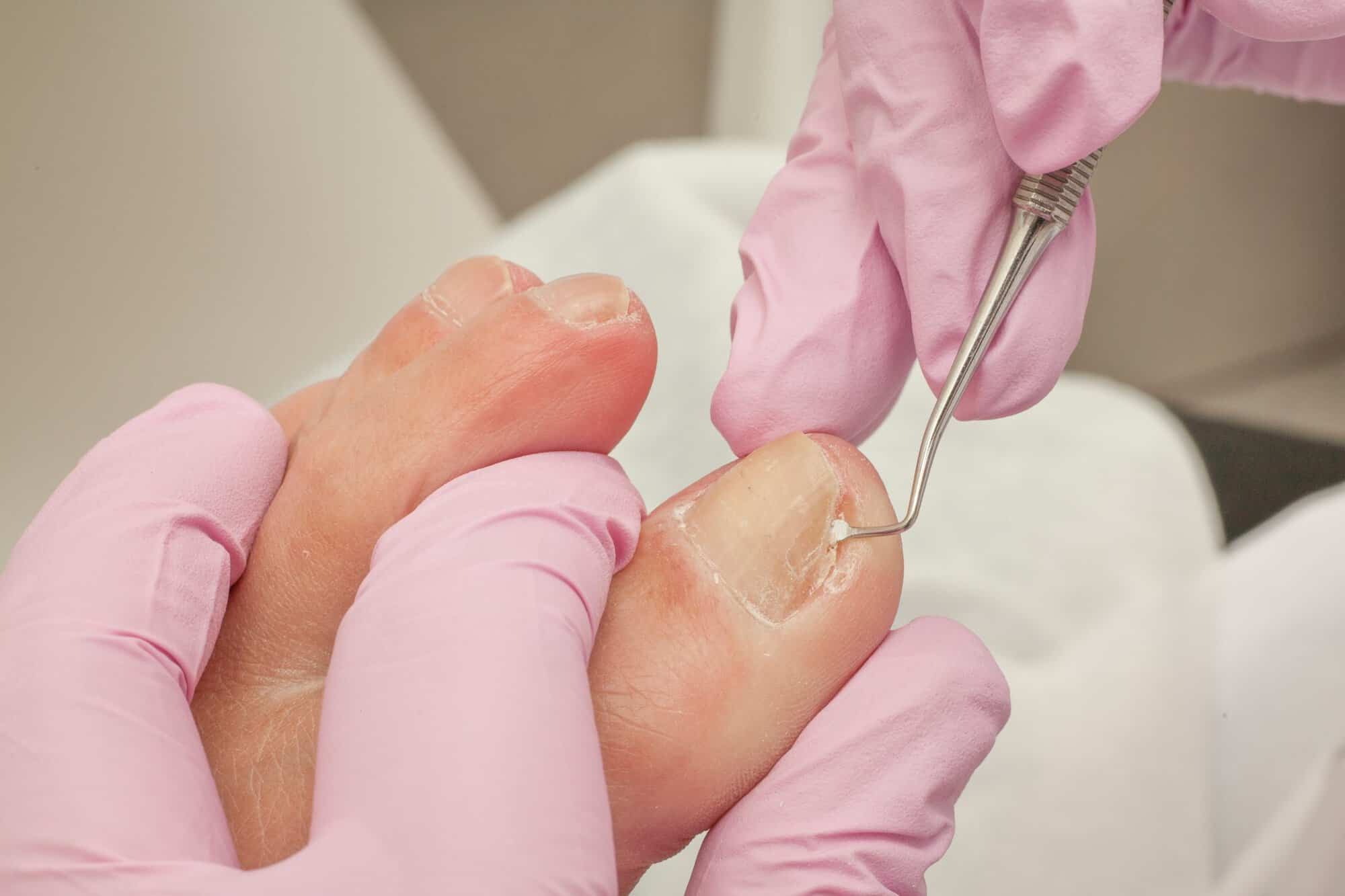
06 Apr Surgical Options for Severe Ingrown Toenails
Ingrown toenails happen when nail edges grow into the skin. This condition causes inflammation, and it requires proper medical attention. If conservative treatments fail, surgery may become necessary. Treating this issue surgically can restore foot function.
Symptoms of Ingrown Toenails
Ingrown toenails often present with visible redness and significant toe pain. The affected area swells, and sometimes it feels warm to the touch. As the nail border grows into the skin, tenderness increases, and you may feel sharp or throbbing discomfort. This discomfort can make it hard to wear shoes or walk. Swelling near the nail fold is common; the surrounding skin feels firmer and more sensitive. Sometimes, fluid or pus may drain from the area. This suggests infection. Hardened skin or granulation tissue forms due to ongoing irritation. If you have nerve damage, you may not detect all symptoms as early as others. Severe cases sometimes involve infection, so early examination can help. Regular inspections help find issues, so you should check your feet often.
Stages of Infection
The Mozena classification system outlines five specific stages of ingrown toenails, which inform diagnosis and guide treatment decisions. The stages include:
- I (Inflammatory stage)
- IIa (Abscess stage)
- IIb (Hypertrophic abscess stage)
- III (Hypertrophic stage)
- IV (Distal hypertrophic stage)
Stage I includes mild swelling, redness, and pain when pressure is applied to the side of the nail. The nail fold generally stays at or below the level of the nail plate, without excess tissue growth. You may then feel pain, swelling, and discomfort, and this is from the nail fold extending beyond the nail plate. In the third stage, the nail fold grows over 3 mm beyond the nail plate. Ongoing symptoms include discomfort or oozing. If untreated, you move to the fourth stage, and granulation tissue forms. In the distal hypertrophic stage, tissue covers both sides and the nail tip, causing chronic changes and inflammation. This system helps guide safe management choices at each stage. Early stages are managed with soaking or minor procedures, and advanced stages need surgery to address tissue growth. Clinicians use Mozena’s staging to match treatment to each situation.
Procedures for Severe Cases
As symptoms and risks differ across stages, accurate classification guides care. This structured approach addresses current symptoms, and it supports long-term foot health. Treating an ingrown toenail depends on severity and individual health. Your doctor may start with non-surgical options, like soaking your foot, applying topical antibiotics, or using a splint to lift the nail edge. If these do not help or there is an infection, minor surgery may be needed.
Sometimes, a surgeon removes part of the affected nail. This procedure, called partial nail avulsion, relieves pressure and manages symptoms. If a toenail is badly deformed or infected, your provider may remove the entire nail. Surgery uses local anesthesia, and this manages pain during and after the procedure. People with diabetes, nerve damage, or poor circulation may need extra care before and after surgery. Providers monitor healing, and they check for signs of problems.
Maintain Your Foot Health
Prompt treatment helps prevent complications from severe ingrown toenails. You must address symptoms quickly, or the condition can worsen. If you have poor circulation, check your feet regularly. Changing your footwear can prevent future nail problems. Proper hygiene is recommended. When you notice pain, seek care, and your doctor will evaluate you.
Sorry, the comment form is closed at this time.