




07 Apr Supportive Therapies for Managing Sciatica
Sciatica affects many people, and it causes radiating nerve pain down the lower back and leg. Because the sciatic nerve becomes compressed, patients experience sharp discomfort along the pathway. Medical professionals offer multiple therapies for this specific condition. Here are some supportive therapies for managing sciatica symptoms:
Physical Therapy
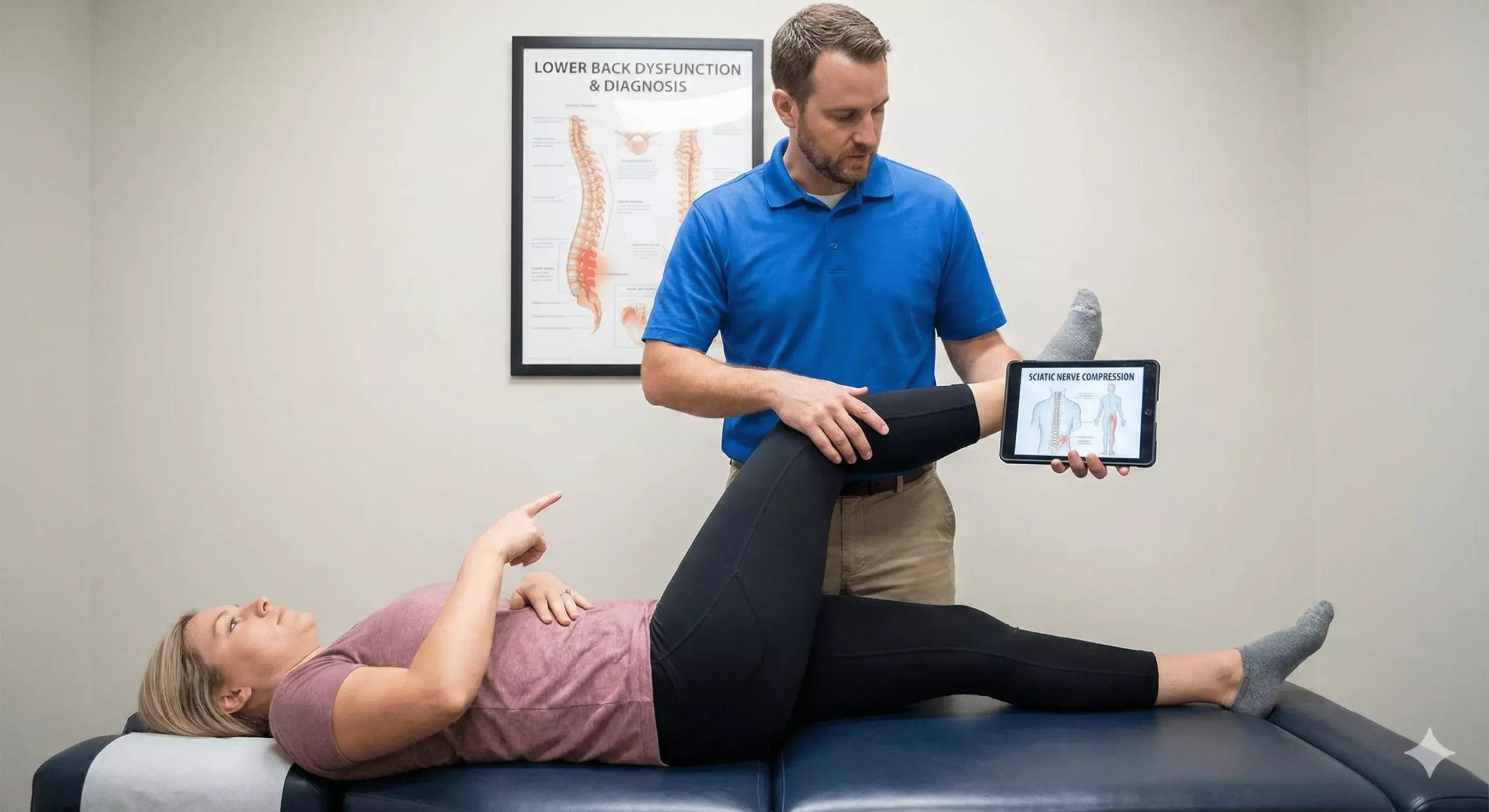
While home remedies provide temporary relief for sciatica, structured physical therapy targets the root cause. A medical professional designs a specific stretching program for your body. These exercises aim to strengthen the core muscles, and they are used to stabilize the spinal column. Clinical specialists can evaluate your mobility before they create a custom routine.
Aerobic conditioning increases blood flow to the injured nerve tissues. The physical therapist monitors your progress, and they adjust the routine based on your pain levels. As you build physical strength, your back typically supports the pressure of daily activities more effectively. Water aerobics offers a low-impact option for sensitive joints.
Modified Activities
Bed rest seems helpful at first, but prolonged inactivity actually worsens the underlying pain. Doctors may recommend a period of activity modification instead. By altering your daily movements and exercising, you can help protect the nerve from further irritation and reduce sciatica symptoms. Gentle movements maintain necessary muscle tone during the recovery phase.
While heavy lifting strains the back, light walking helps to keep the spine flexible. You must avoid sudden twisting motions, and you need to lift objects with your legs. Ergonomic chairs provide additional support for your lower lumbar region at work. Unless you adjust your lifting mechanics, you risk further injury to the spine.
Proper posture may reduce daily strain on the lower back muscles. If you sit for long hours, take frequent breaks to stand and stretch. Standing desks help some individuals, and a supportive lumbar cushion offers relief while driving. Good alignment distributes your body weight evenly across your joints, and whenever you maintain a neutral spine, you relieve pressure on the sciatic nerve.
Spinal Injections
Oral medications treat mild symptoms, but severe pain typically requires a targeted epidural steroid injection. Because the injection delivers medicine directly to the nerve root, it reduces local inflammation quickly. Healthcare providers administer these treatments in an outpatient clinic setting. Before the procedure begins, the doctor explains the process.
Injections may involve these factors:
- Corticosteroids reduce swelling around the nerve.
- Anesthetics provide immediate pain relief.
- Fluoroscopy guides the needle for precision.
Hot and Cold Therapy
Temperature therapy offers a simple approach to managing sudden flare-ups at home. When acute pain strikes, ice packs numb the affected area effectively. Cold therapy is used to decrease initial swelling, and heating pads relax tight muscles afterward. After the first few days pass, you switch to warm compresses for comfort.
Get Treated for Sciatica
Since unmanaged nerve pain typically limits your lifestyle, you need professional medical guidance. A pain specialist clinic provides comprehensive evaluations for persistent lower back discomfort. You have options available, so contact an office today, where specialists review your symptoms to recommend the most effective supportive therapies. Call a pain clinic now to schedule your first consultation.
Sorry, the comment form is closed at this time.