




13 Mar How PRP Injections Work for Tendon Injuries
Platelet-rich plasma (PRP) therapy uses a concentration of an individual’s own blood platelets to address tissue damage. Platelets contain proteins called growth factors, which play a structural role in the body’s natural tissue repair processes. By using a person’s own biological material, this therapy supports the local healing of body areas that have sustained cellular damage. Here’s information on PRP injections and how they work for tendon and joint injuries:
What Are Musculoskeletal and Joint Injuries?
Musculoskeletal injuries affect the body’s structural components, including the bones, muscles, ligaments, tendons, and nerves. These injuries can disrupt normal physical mobility and cause persistent discomfort that interferes with daily activities. Tendon and joint injuries frequently result from repetitive mechanical stress, rigorous sports activities, or sudden physical trauma. Overuse can lead to microscopic tears in the tendon fibers, while sudden high-velocity impacts can cause acute sprains or partial ruptures. As people age, tissues naturally lose elasticity, and this makes them more susceptible to damage during routine physical tasks.
Physicians often recommend regenerative medicine, like PRP injections, when traditional conservative methods fail to restore necessary function or provide relief. Healthcare providers typically recommend that their patients first attempt a regimen of conservative treatments, such as:
- Physical Therapy
- Targeted Rest
- Bracing
- Non-steroidal Anti-inflammatory Medications
If these options do not yield significant improvements over several months, regenerative techniques may be introduced. PRP therapy is typically explored for those seeking complementary alternatives to invasive surgical interventions for chronic, lingering tendon issues.
How Does PRP Therapy Work?
For chronic joint conditions and persistent tendon injuries, PRP injection therapy aims to deliver a high concentration of specific growth factors directly to the affected area. Since tendons generally possess a poor blood supply compared to other tissues, they often heal at a slower rate following an injury. Healthcare providers draw a small amount of your blood, spin it in a centrifuge to isolate and concentrate the platelets.
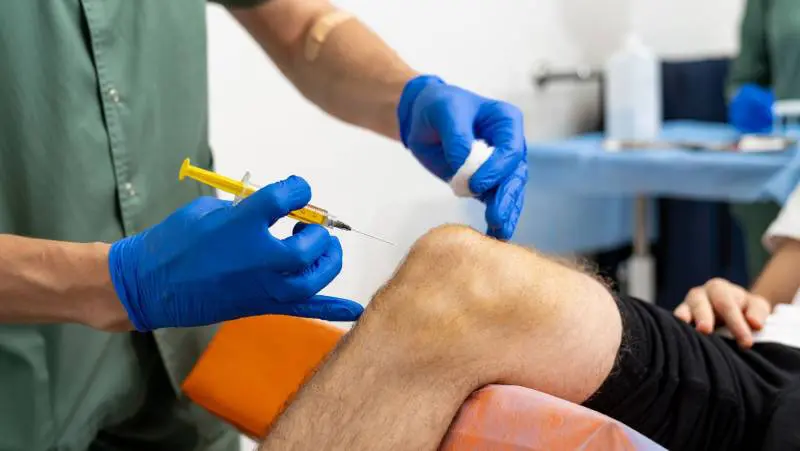
Once the concentrated solution is prepared, a provider injects it directly into the injured tendon or joint. The concentrated platelets release specific proteins, and these proteins interact with surrounding cells to support tissue remodeling. Over several sessions, localized delivery of these factors may promote cellular repair within the compromised joint or tendon. Results vary among individuals, and some people may require multiple injection sessions to achieve their desired functional goals.
How Does PRP Manage Pain and Other Symptoms?
The management of pain through PRP injections focuses on addressing the underlying tissue damage rather than managing symptoms alone. By introducing concentrated platelets directly to an injury, the procedure aims to support the structural integrity of the affected tendon. As the tissue environment gradually changes and stabilizes, people may experience a corresponding reduction in localized inflammation and a gradual decrease in persistent pain. PRP injections rely on biological processes rather than numbing agents, so symptom relief is typically not immediate and develops progressively over time.
Learn More About PRP Injections Today
When managing a tendon injury, regenerative medicine offers a different mechanism of supporting your healing. A qualified orthopedic specialist can evaluate your condition, review your medical history, and determine if PRP therapy is right for you. Contact a medical provider today to schedule a comprehensive consultation and discuss a personalized approach to your musculoskeletal health.
Sorry, the comment form is closed at this time.