




11 Mar How Neurological Surgeons Handle Complications During Surgery
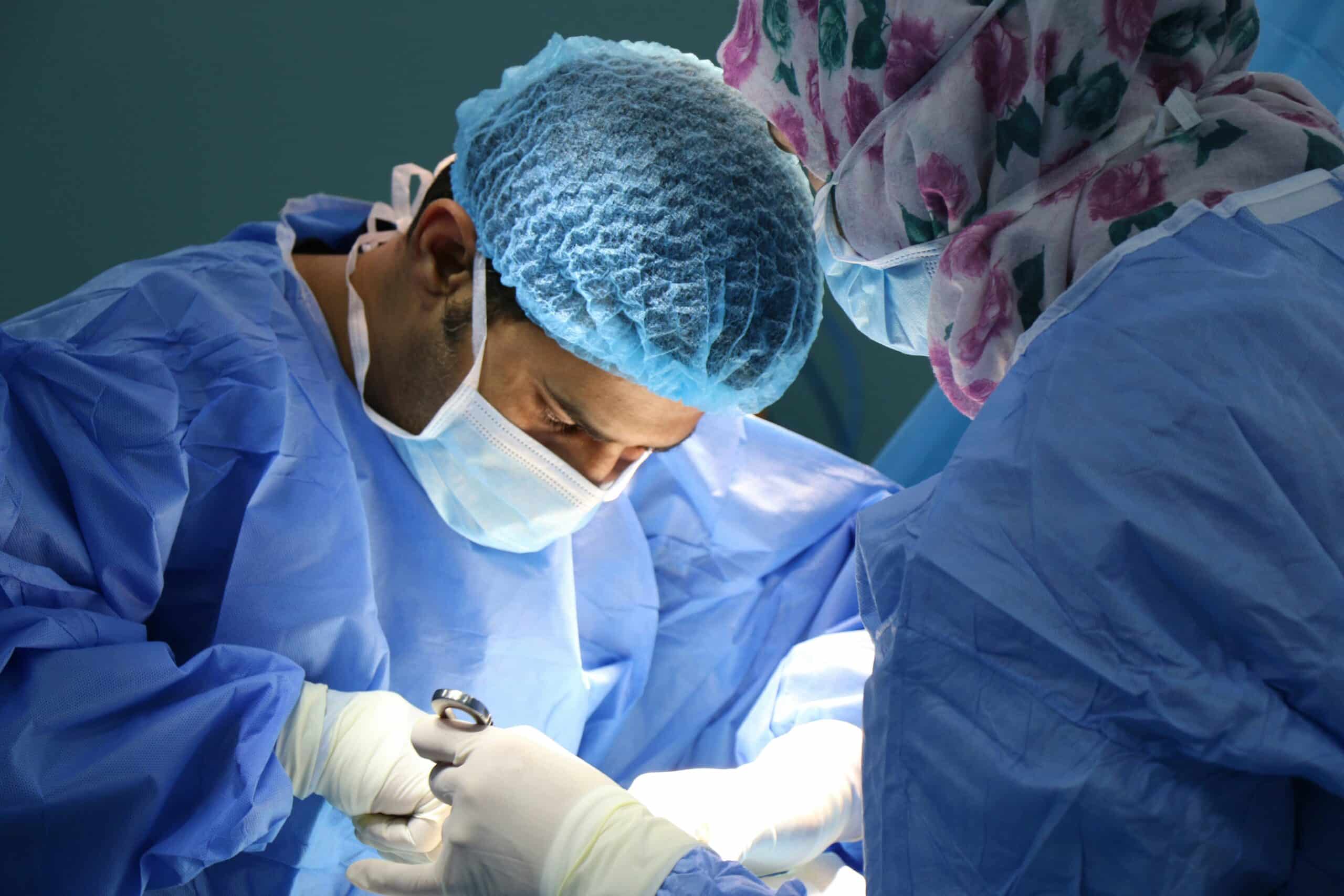
Neurological surgeons perform highly complex procedures that require careful planning, advanced skill, and the ability to respond quickly to unexpected issues. During surgery, complications may include bleeding, swelling, or other risks that require immediate attention to promote patient safety. Here is a closer look at how neurosurgeons address complications during surgery:
Anticipating Surgical Risks
Neurological surgeons evaluate many variables before they begin a procedure. They review imaging scans, and they assess the patient’s physical condition. Here are key steps neurosurgeons use to guide the surgical plan:
- Imaging reviews: The team checks MRI or CT scans to locate precise targets in the body.
- Equipment checks: Technicians prepare the operating room, and they test the surgical instruments.
- Team briefings: The surgical staff discusses the procedure, which helps everyone understand their specific role.
- Anesthesia administration: The anesthesiologist selects appropriate medications, calculates precise dosages for the patient, and administers medications that help the patient sleep during the procedure.
- Equipment sterilization: All surgical instruments and equipment undergo rigorous sterilization to eliminate potential pathogens and promote a sterile surgical environment.
- Surgical site sterilization: The surgical site is meticulously prepared using antiseptic solutions to reduce the risk of infection and maintain a sterile field, promoting patient safety.
Thorough preparation minimizes errors in the operating room. The medical team anticipates problems and prepares backup equipment.
Tracking Nervous System Function
Neuromonitoring is a fundamental part of modern brain and spine operations. Technicians place electrodes on the patient, and machines record the electrical signals. Doctors can observe nerve function in real time because these signals travel through the nervous system.
The monitoring equipment provides immediate feedback to the surgical team. If a signal drops, an alarm alerts the neurosurgeons, and they pause the procedure. While they assess the situation, they can adjust their tools and approach to avoid nerve damage.
Responding to Surgical Events
Bleeding is a common issue during surgical procedures. Doctors use specialized tools to control bleeding, and they apply materials that promote clotting. Swelling can also occur when doctors operate on brain tissue. The medical team administers specific medications, and the anesthesiologist adjusts the fluid levels.
If the swelling continues, the surgeon removes a small piece of bone to relieve the pressure. Neurosurgeons follow established protocols for any sudden changes in health signs; they coordinate with the anesthesia team and stabilize blood pressure. Although unexpected events occur, the team is trained to handle them effectively.
Supporting Recovery
The recovery process requires close observation after a surgical complication. Neurological surgeons move the patient to the intensive care unit, and nurses monitor their vital signs. The team may incorporate the following to support recovery:
- Frequent assessments: Nurses regularly assess the patient’s neurological function.
- Medication management: The pharmacy provides exact doses, and the staff administers them on a strict schedule.
- Physical therapy: Specialists evaluate the patient, which initiates the early rehabilitation process.
Neurological surgeons oversee the entire recovery phase in the hospital. They review daily progress reports, and they update the treatment plan when necessary. As the patient stabilizes, the medical team prepares them for discharge.
Consult Neurological Surgeons Today
Neurological care requires a multidisciplinary approach to promote optimal recovery and patient outcomes. Neurological surgeons play a pivotal role in overseeing patient recovery, monitoring progress, and adjusting treatment plans as needed. Contact a reputable neurology practice near you to schedule your consultation with qualified neurological surgeons today.
Sorry, the comment form is closed at this time.