




12 Nov How Dental Implants are a Solution for Missing Teeth That Lasts a Lifetime
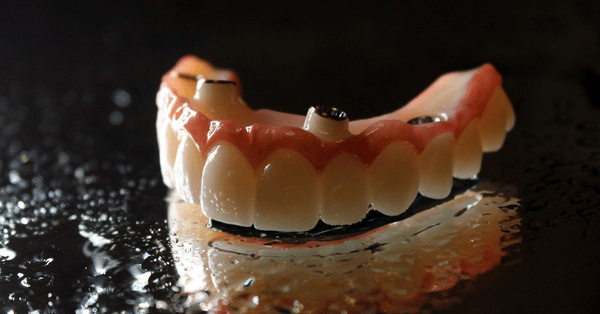
Dental implants provide a structural replacement for missing teeth, and they consist of three main parts. Dentists surgically place a titanium post into the jawbone, and after the post integrates with the bone, they attach an abutment. A custom crown, which is the visible part, is then secured to the abutment, completing the restoration. Here is more information about dental implants:
Replaces Tooth Completely
A dental implant is a comprehensive tooth substitute. It mimics the function of a natural tooth root. Because it fuses with the jawbone, the implant provides a stable foundation. The implant post acts as an anchor for the crown, and it supports the jaw’s structural integrity. This process helps maintain bone density around the site of the missing tooth, a benefit not found in other tooth replacement options.
The surgical placement of the implant post is the first step in the procedure. Your surgeon makes an incision in the gum tissue. After the surgeon drills a small hole in the jawbone, they can then insert a titanium post. They then close the site with stitches to allow for healing. During the healing period, the implant fuses with your jawbone, becoming a permanent part of your jaw structure.
A second minor surgery may be required after the implant has healed, and this step exposes the top of the implant. An abutment, which is a small connector piece, is then attached to the post. This abutment protrudes just above the gum line. After the gums heal around the abutment, your dentist takes impressions of your mouth. A dental lab uses these impressions to fabricate a custom crown that matches your natural teeth.
Restores Bite Force
A natural tooth’s bite force can be fully replicated. Dental implants are designed to restore significant biting and chewing force. Since an implant is anchored directly into the jawbone, it offers strength and stability for daily function. The restoration of bite force allows a return to a regular diet. This level of function contrasts with other removable options.
Restoring bite force has practical daily applications, so you can comfortably eat a wide variety of foods. Chewing tough or crunchy items is possible. This capability supports a balanced diet, and it contributes to overall oral function without the slippage associated with some removable appliances.
Fills Dental Gaps
Implants provide a standalone solution for filling gaps left by missing teeth. This method eliminates the need to alter adjacent healthy teeth, thereby minimizing the impact on overall dental health. A traditional bridge needs support from neighboring teeth, so they must be filed down to accommodate crowns. An implant is self-supporting. The procedure involves these steps:
- Placement of the implant post into the jawbone.
- Attachment of the abutment after healing.
- Placement of the final crown onto the abutment.
Replaces Dentures
Dental implants present an alternative to removable dentures. Implants are fixed permanently in the mouth. They do not require removal for cleaning, nor do they need special adhesives to stay in place. Dentures rest on the gums, while implants integrate with the jawbone. This integration offers a more stable and secure fit. Daily maintenance is similar to that for natural teeth, involving regular brushing and flossing.
Schedule Dental Implants Today
Dental implants offer a method for addressing tooth loss. They consist of a post, abutment, and crown. The implant integrates with the jawbone for a secure fit. If you are experiencing tooth loss, you have several options available. A consultation with a dental professional can provide information about your specific circumstances. Contact a dentist to schedule an appointment for an evaluation.
No Comments