




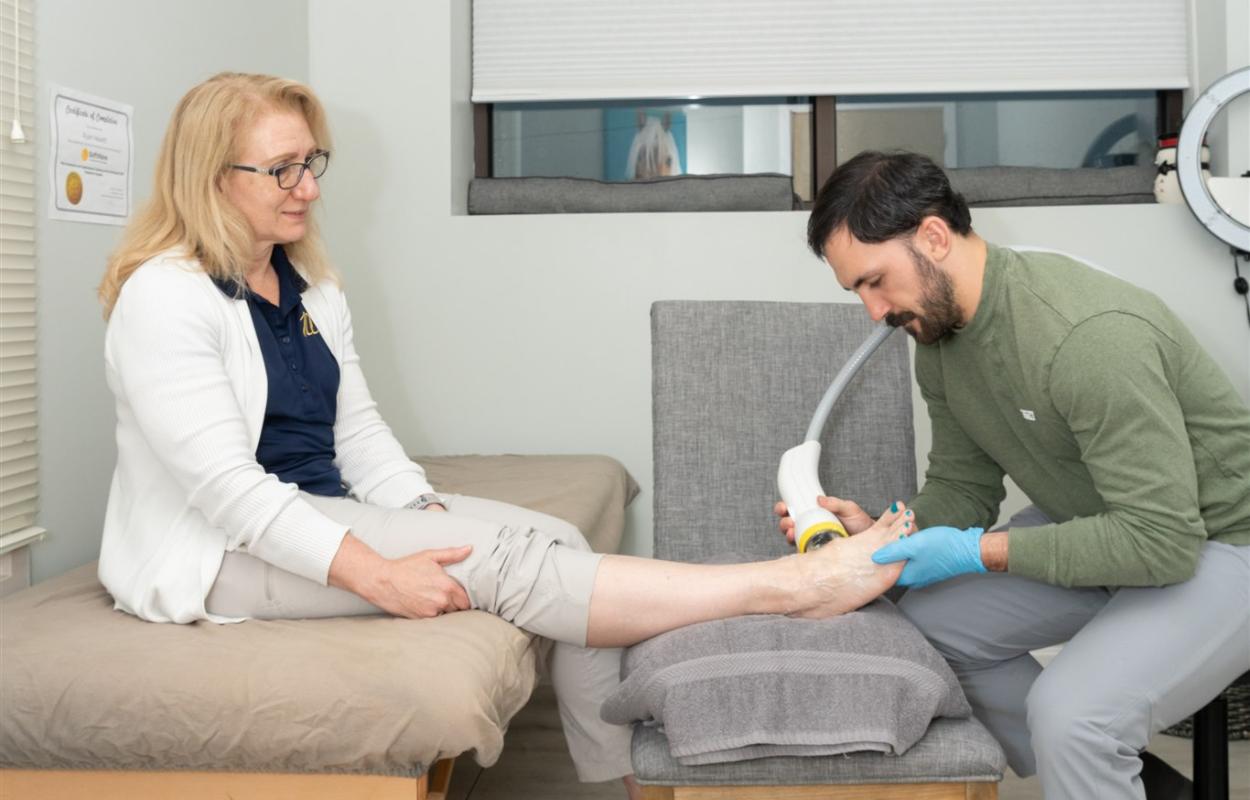
19 Mar Exploring the Causes of Plantar Fasciitis
Plantar fasciitis involves inflammation of the thick fibrous tissue that runs across the bottom of your foot, connecting your heel bone to your toes. Symptoms typically present as a sharp, stabbing pain near the heel. This discomfort is often most noticeable during the first steps after waking up or after periods of extended rest. As the foot warms up with movement, the pain usually decreases, though it may return after prolonged standing or upon rising from a seated position. Here’s information about plantar fasciitis and what commonly causes it:
From Overuse Injuries
Repetitive motion places ongoing stress on the tissues and structures of the foot. Runners, dancers, and individuals whose occupations require standing for long shifts often experience this repetitive strain. Continuous tension and overuse lead to microscopic tears in the fascia over time, resulting in local inflammation. The plantar fascia is a connective tissue, similar to a ligament, that provides foot structural integrity and flexibility. It also aids in distributing mechanical forces during movement. By maintaining the fascia’s health through proper hydration, stretching, and avoiding overuse, you can promote overall joint stability and function.
Overuse injuries cause inflammation, and this repetitive stress is one of the most common reasons people develop plantar fasciitis. Continuous overuse without adequate recovery periods prevents the ligament tissue from resting properly, leading to persistent irritation. Rest and ice often help relieve mild foot discomfort, but persistent pain requires professional evaluation. If the pain alters your natural walking gait or makes bearing weight difficult, a medical assessment provides necessary clarity. A specialist will evaluate your specific symptoms to rule out other potential issues, such as stress fractures or nerve compression.
From Not Warming Up
Tight calf muscles limit the ankle’s natural range of motion, and this limitation directly increases the tension placed on the plantar fascia. Muscles and tendons require adequate preparation before engaging in any strenuous physical activity. Skipping a proper warm-up routine leaves the connective tissues tight and less adaptable to physical stress. Exercising frequently on hard, unforgiving surfaces amplifies the impact absorbed by foot structures, potentially causing inflammation. Modifying your routine to include thorough stretching and choosing softer exercise surfaces reduces unnecessary tissue strain.
From Health Conditions
Certain physical attributes and health factors can directly influence foot mechanics. Body weight affects the pressures exerted on the lower extremities with each step; extra body weight increases the daily load that the plantar fascia must support during movements. Structural variations in the foot also alter how weight is distributed across the sole, such as:
- High Arches: High arches create rigid foot structures that absorb physical shock poorly.
- Flat Feet: Flat feet cause the entire sole to touch the ground, altering the foot’s natural mechanics.
These structural variations change the natural distribution of weight, and the resulting imbalance places excessive strain on the plantar fascia.
Learn More About Plantar Fasciitis
Addressing heel pain promptly is a proactive way to maintain your foot and ankle health, which impacts your overall mobility. A foot and ankle specialist can assess your gait, foot structure, and daily footwear choices. They determine the cause of your discomfort, which allows for targeted, effective management strategies. Contact a foot and ankle specialist to schedule a consultation today.
Sorry, the comment form is closed at this time.