




05 Nov Everything You Need to Know About Root Canals
A broken tooth, if left untreated, may lead to infection or further dental damage. In many cases, a root canal is the best solution to save the affected tooth and restore normal function. Here’s everything you need to know about root canals:
When Do You Need a Root Canal?
A broken tooth does not always require a root canal. If the damage is minor and only affects the outer layer of the tooth, known as the enamel, a dental bonding or filling may be sufficient. If the fracture is severe and extends to the inner chamber of the tooth, a root canal is a fundamental procedure to prevent further complications.
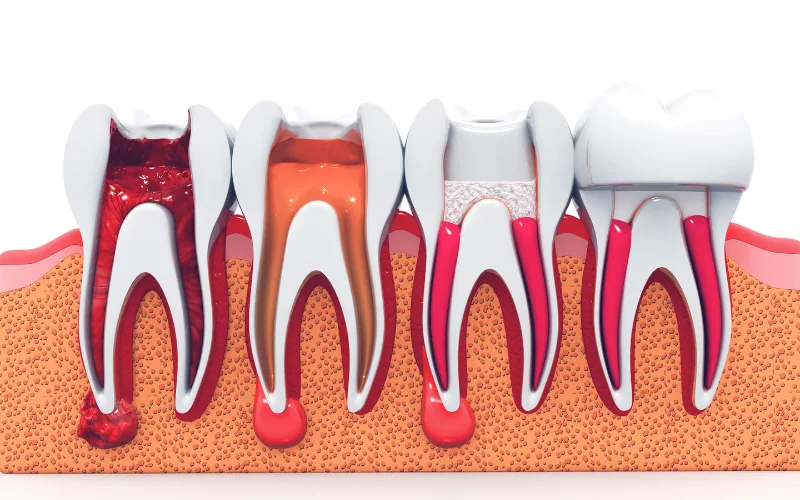
This inner chamber, or pulp, contains nerves and blood vessels. When bacteria reach this area, it can cause significant pain and lead to an infection. Without treatment, this infection can spread to the underlying bone tissue, causing severe dental problems. A root canal is performed to remove the infected pulp, save the natural tooth, and stop the infection from spreading.
What Happens During the Procedure?
The root canal procedure is a multi-step process designed to eliminate infection and restore the tooth’s function. While the specifics may vary, the following steps outline what occurs during treatment:
- First, the dentist numbs the area around the affected tooth to make sure you are comfortable.
- Next, they create a small opening in the crown of the tooth to access the infected pulp chamber.
- The dentist then removes the damaged pulp, thoroughly cleans and disinfects the inside of the tooth, and seals the tooth.
- The empty space is filled with a rubber-like material, and the tooth is sealed to prevent future infection.
After the procedure, a crown is often placed on the tooth to protect it and restore its strength and shape.
Why Is a Root Canal Beneficial?
Opting for a root canal to treat a severely broken tooth offers several helpful benefits for your long-term oral health. Here are some of the benefits of a root canal:
- The immediate benefit is the relief from pain caused by the infected pulp.
- It stops the spread of infection to other teeth and your jawbone.
- The procedure allows you to keep your natural tooth, which helps maintain proper chewing function and alignment.
- A restored tooth with a crown looks and functions just like your other teeth, preserving your natural smile.
These benefits make root canal treatment highly effective for a broken tooth with pulp damage.
What Happens After Treatment?
Proper care after a root canal is fundamental for a successful recovery and the longevity of your restored tooth. It is normal to experience some mild discomfort for a few days, which can be managed with over-the-counter pain medication. You should avoid chewing on the treated tooth until it has been permanently restored with a crown. Make sure to brush and floss daily as you normally would to keep the area clean and prevent further dental issues. Regular dental check-ups will allow your dentist to monitor the tooth and make sure it is healing correctly.
Schedule Your Broken Tooth Appointment
A root canal is a standard and effective procedure for saving a severely broken tooth and preventing further infection. Understanding the process and its benefits helps you make an informed decision about your dental health. If you have a broken or fractured tooth, contact a professional dentist near you immediately to schedule your appointment.
Sorry, the comment form is closed at this time.