




03 Apr Effective Ways to Manage and Treat Ingrown Toenails
An ingrown toenail can cause persistent discomfort, swelling, and difficulty with everyday activities if it is not addressed promptly. While some cases may improve with early care, others may require professional treatment to prevent worsening pain or infection. Here are some effective ways to manage and treat an ingrown toenail:
Recognizing Early Warning Signs
The initial symptoms of an ingrown toenail present as minor but distinct physical changes. The skin around the nail margin may be red, and the affected toe becomes tender to the touch. Although the redness may seem minor in the first few days, it is a reliable indicator of abnormal nail pressure.
Localized fluid buildup occasionally appears near the site of the embedded nail border. You may observe a slight bulge along the nail fold, but the epidermal barrier usually remains intact initially. Monitoring these visual cues closely helps you manage the physical issue before the tissue damage advances. Increased sensitivity to physical pressure acts as another early warning sign of tissue disruption.
Managing Mild Cases at Home
Mild cases of an ingrown toenail can often be effectively managed at home with proper care. Here are key steps that can alleviate discomfort and encourage healing:
- Warm salt water soak: Immerse the affected foot in warm water mixed with Epsom salt for a few minutes, several times daily.
- Gentle lifting of the nail: After soaking, carefully lift the edge of the ingrown nail using a sterilized tool and place a small piece of cotton or dental floss underneath to prevent it from growing inward.
- Wear loose-fitting footwear: Opt for open-toe shoes or loose-fitting footwear to minimize pressure on the affected toe.
- Disinfect and protect: Apply an antibiotic ointment to the area and cover it with a sterile bandage to prevent infection.
- Take over-the-counter pain relievers: Use them to manage pain and reduce inflammation as directed on the product label.
These steps are usually sufficient for managing mild cases; if symptoms persist or worsen, consult a healthcare professional to prevent complications.
Exploring Professional Treatments
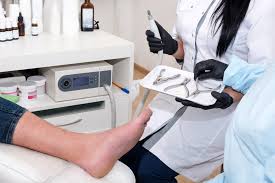
Healthcare providers use specific clinical procedures to address a persistent ingrown toenail. A partial nail avulsion removes the section of the nail plate penetrating the lateral skin fold. The medical provider numbs the toe beforehand, and they trim away the problematic border with specialized instruments. If the ingrown nail repeatedly causes structural issues, the provider may alter the underlying nail matrix to prevent future regrowth. Complete nail removal is an alternative option for widespread nail plate issues. The provider removes the entire nail structure, and the toe requires a specific healing period.
Preventing Future Recurrence
Prevention strategies are fundamental to maintaining overall foot health and structural integrity. To minimize the risk of developing recurring ingrown toenails again, review the following preventive measures:
- Proper Nail Trimming: Cut toenails straight across rather than rounding the edges to prevent the nail from growing into the surrounding skin.
- Footwear Choices: Wear well-fitting shoes with adequate room for the toes to avoid unnecessary pressure on the nails.
- Good Foot Hygiene: Maintain regular cleaning and drying of the feet to reduce the risk of bacterial buildup and irritation.
- Avoid Injury: Protect your toes from trauma, such as stubbing them or dropping heavy objects, as this can lead to improper nail growth.
Adhering to these practices can significantly reduce the likelihood of recurrence, promoting healthier nails and overall foot comfort..
Treat Your Ingrown Toenail Today
An ingrown toenail requires prompt observation and clinical management strategies. Home care methods assist with mild cases, but professional evaluations provide solutions for persistent issues. Paying close attention to early physical signs can help you protect your toes from prolonged inflammation and irritation. Contact a qualified foot and ankle specialist near you to book your ingrown toenail appointment.
Sorry, the comment form is closed at this time.