




19 Mar Benefits of Physical Therapy Post-Spine Surgery
Spine surgery addresses issues within the spinal column, such as nerve compression, spinal instability, or structural deformities. Physicians typically recommend this type of procedure when conservative treatments fail to alleviate pain or when someone experiences a severe loss of physical function. Once the operation is complete, the body enters a healing phase that requires careful management. The post-operative period is just as impactful as the surgery itself. During this time, physical therapy serves as a foundational component to help people regain their mobility and function safely.
Safer Recovery
Navigating the weeks and months following a spinal operation requires caution and careful planning. Professional guidance supports your recovery by helping you move correctly and avoid actions that could jeopardize healing. Spine surgery often alters the structures of your back, and your muscles need retraining to support your healing spine. Following an operation, you may experience temporary weakness or stiffness in these surrounding muscle groups. Without proper instruction, you risk adopting improper movement patterns to compensate for this temporary weakness.
Learning incorrect movements can place unintended stress on your surgical site, affecting your recovery. Physical therapists provide a supervised, controlled environment where you learn safe ways to transition between resting and active states. They monitor your physical responses closely to reduce complications like severe muscle atrophy or excessive buildup of restrictive scar tissue.
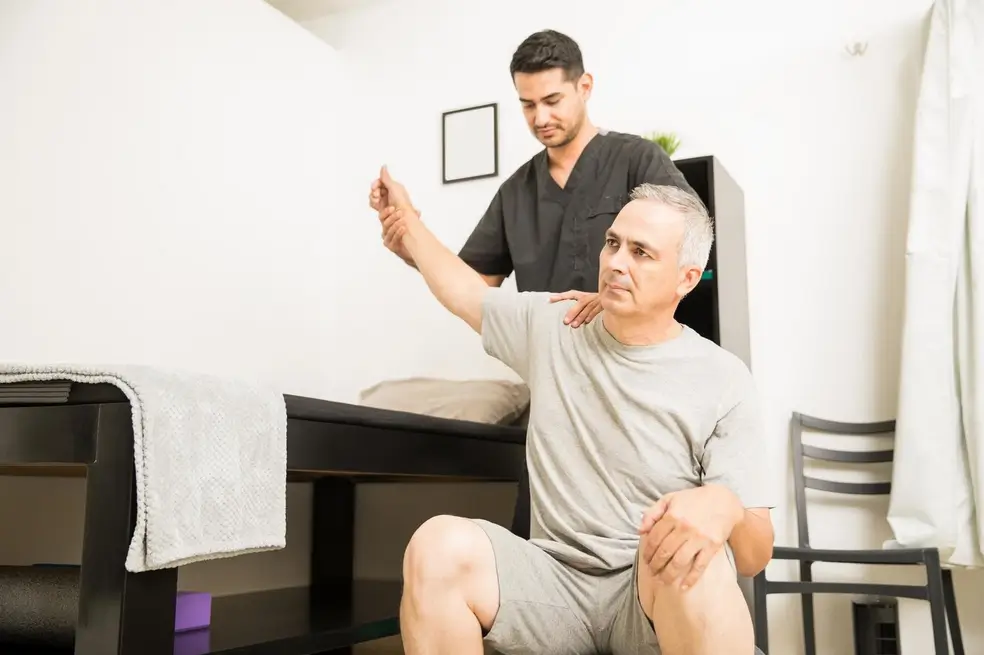
Therapists introduce targeted exercises to restore mobility, rebuild strength, and improve overall flexibility. These specific, controlled movements encourage healthy blood flow to the surrounding tissues, which supports cellular repair and reduces localized inflammation. Physical therapy plans place a strong emphasis on core stabilization. Building a strong core reduces the mechanical load placed directly on the spine, protecting the delicate surgical area from unnecessary daily strain. Through guided repetition, you can slowly rebuild your physical endurance without compromising the integrity of your operation.
Personalized Plans
Every individual enters recovery with a unique medical background, so physical therapists design a program tailored to your specific needs. A therapist evaluates the specifics of your case, including your:
- Surgical Procedure
- Current Physical Capabilities
- Prior Personal Baseline Activity Level
Based on this thorough assessment, they develop a structured timeline that dictates the intensity and frequency of your exercises. This individualized approach enables your rehabilitation process to progress at a safe, sustainable pace. If you experience a temporary setback or demonstrate faster-than-expected progress, your therapist adjusts exercises to match your evolving physical capacity. Personalized plans prevent overexertion while allowing the muscles and joints to strengthen for optimal recovery.
Complementary Support
Physical therapy isn’t the only way to support your recovery during the post-operative phase. It integrates well with other recovery strategies, such as physician-directed pain management protocols, rest schedules, and nutritional support. While prescribed medication helps manage acute discomfort, physical therapy addresses the underlying mechanical function of your body.
Physiotherapists also educate you on proper body mechanics and ergonomics for routine daily activities. They teach you how to lift objects, sit at a desk, and sleep in positions that maintain neutral spinal alignment. This education supports long-term spinal health, and it prevents the recurrence of past injuries. By combining movement therapy with other medical recommendations, you create a more comprehensive and balanced recovery plan.
Visit a Spine Surgery Specialist
Recovery from spine surgery requires a comprehensive rehabilitation approach, which a dedicated professional can assist with. To learn more about your specific surgical needs and post-operative options, schedule a consultation with a spine surgeon today. They oversee your entire treatment and recovery, as they work with therapists to support your condition. Physical therapy provides the structured, individualized care necessary to navigate the complex healing process safely. Benefit from physical therapy exercises by incorporating this therapy into your recovery plan.
Sorry, the comment form is closed at this time.