




31 Dec Are Braces for Adults?
Orthodontic treatment is available for both adolescents and adults seeking corrective dental procedures. Alignment issues can be addressed at any stage of life, provided teeth and gums are healthy. Adult orthodontics focuses on correcting malocclusion, improving oral function, and enhancing dental aesthetics through various appliances. Here is more information on braces:
What Are Braces?
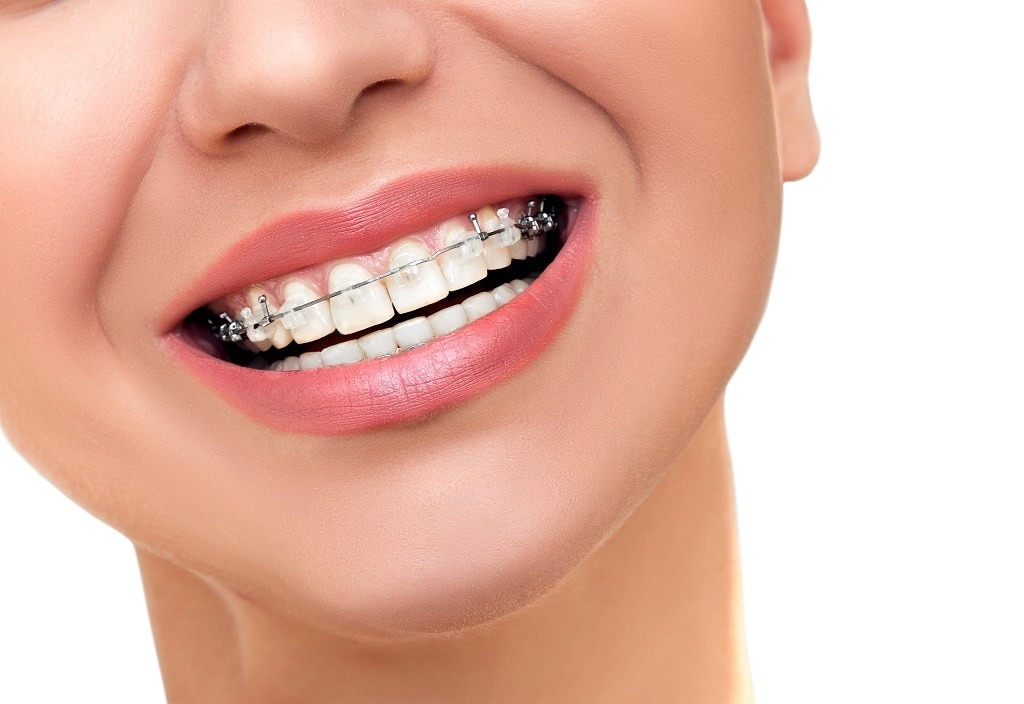
Dental braces are wire-based appliances that orthodontists use to correct crowded and misaligned teeth or jaws. The traditional system consists of brackets bonded to the teeth and connected by an archwire, which applies continuous pressure to move teeth into the desired position over time. This pressure remodels the bone surrounding the tooth roots, allowing for permanent repositioning.
While metal brackets remain a standard option, technological advancements have introduced less visible alternatives. Ceramic braces use tooth-colored brackets that blend with the natural enamel, making them less noticeable during conversation. Clear aligners, such as Invisalign, offer a removable and nearly invisible alternative for correcting mild to moderate alignment issues.
Who Benefits From Them?
Adults of various ages can benefit from orthodontic treatment. Individuals who never received treatment in their youth are eligible candidates. Uncorrected misalignments can lead to long-term oral health complications, and these complications include uneven enamel wear and difficulties with oral hygiene. Correcting these issues in adulthood helps prevent further dental deterioration and improves overall oral function.
What Issues Do They Address?
Orthodontic treatment addresses a wide spectrum of dental irregularities known as malocclusions. Common issues include overcrowding, where there is insufficient space in the jaw for all teeth to fit normally, and spacing issues, where gaps exist between teeth. These conditions can impede effective cleaning, and they increase the risk of plaque accumulation and periodontal disease.
Bite irregularities are another focus of adult orthodontics. Overbite, underbite, crossbite, and open bite are conditions where the upper and lower jaws do not align correctly upon closing. Correcting these bite discrepancies can alleviate strain on the jaw muscles and temporomandibular joints (TMJ), and this helps reduce discomfort during chewing and speaking.
Braces can correct protruded teeth, which are more susceptible to injury during accidents or sports. By aligning the dental arch, the risk of trauma to the front teeth is reduced. Addressing these structural issues contributes to the long-term stability and health of the entire dentition.
What Does the Process Involve?
The orthodontic process begins with a comprehensive evaluation, including a clinical examination and imaging scans. Based on these diagnostic records, the orthodontist develops a customized treatment plan outlining the specific movements required. This plan specifies the recommended appliance type, and it estimates the treatment duration.
Once the braces are placed, regular appointments are scheduled for adjustments. During these visits, the orthodontist tightens wires or provides new aligner trays to provide continuous pressure to the teeth. Maintaining oral hygiene is a valuable component of the process. Brackets and wires can trap food particles, necessitating diligent brushing and flossing to prevent decay and gum inflammation.
Consult an Orthodontist Today
Orthodontic treatment offers viable solutions for adults seeking to correct dental misalignments and improve oral health. The process involves a commitment to oral hygiene and regular appointments, but the functional and aesthetic benefits are substantial. Modern appliances provide discreet options that make treatment compatible with adult lifestyles.
If you are evaluating braces, schedule a consultation with a qualified orthodontist to discuss your specific needs. A professional assessment will clarify the potential benefits and outline a treatment path tailored to your dental anatomy. Getting braces can lead to lasting improvements in both dental function and oral health stability.
No Comments