




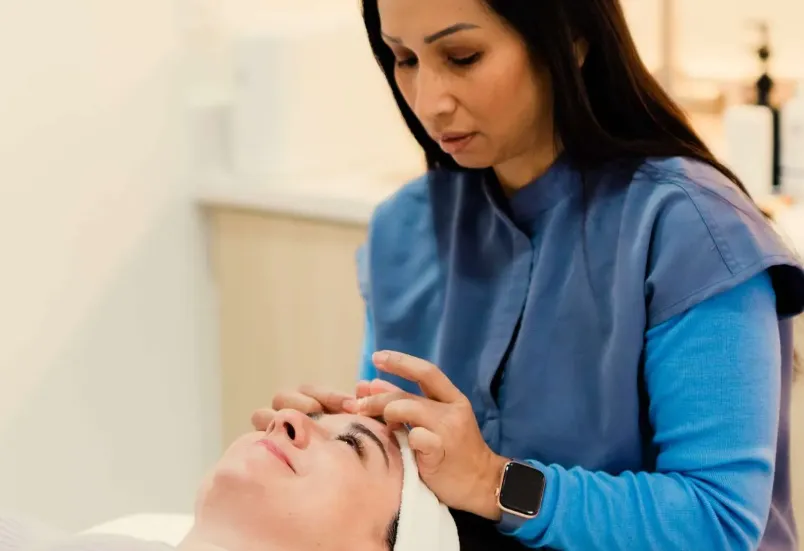
26 Feb Aftercare Tips for Your Facial Treatment
Facials are noninvasive skin treatments provided by aesthetic professionals, which are designed to address issues such as acne, dry skin, aging, and clogged pores. Each treatment includes certain steps, like cleansing, exfoliation, and hydration. The effectiveness and longevity of results rely on understanding each aspect of the facial, the type of treatment received, and the correct aftercare.
What Are Facials?
Facials are multi-step procedures to support skin health and improve complexion. Steps include cleansing to clear away dirt and oil, exfoliation to remove dead skin cells, and moisturizing to support hydration. Treatments can be adapted for various needs, such as fine lines, uneven skin tone, acne, enlarged pores, or skin dryness. Benefits include improved skin texture, hydrated appearance, and support for natural skin cell turnover. Professional facials can contribute to a reduction in pore size, less oil production, and more even pigmentation. Regular treatments help maintain these results by continually addressing the skin’s changing needs.
What Are the Types?
A range of facial treatments is available, each focusing on particular concerns and techniques. Standard European treatments focus on enhanced hydration and soothing inflammation. Treatment may include a variety of services, such as double cleansing, exfoliation, manual extractions to clear clogged pores, ultrasound, massage, and a personalized mask. European facials can address fine lines and are suitable for many skin types. Some may include steaming to open pores and tailored serums.
Other prominent types of facials include:
- Microcurrent Facial: This facial uses mild electrical currents after enzyme exfoliation to tone and lift the skin. It aims to improve facial contours and give a firmer appearance.
- Detox Facial: Aimed at blemish-prone and congested skin, detox facials may feature deep cleansing, steam, exfoliation, extractions, and may use ultrasound to calm the skin. These target the reduction of breakouts by eliminating pore-blocking debris.
- Harmony Facial: This facial provides gentle cleansing, hydrating exfoliation, facial massage, and a calming mask. It is suitable for all skin types, especially sensitive or reactive skin, and focuses on balance and hydration.
What Does Care Entail?
Post-facial care plays an integral role in maintaining treatment results. Breakouts after a facial, sometimes called “purging,” are common due to the increase in cell turnover, bringing debris to the surface. This reaction usually resolves within a few weeks. Picking at the skin can worsen irritation, so it’s advised to allow the skin to recover naturally.
Keeping the skin moisturized after a facial reinforces its barrier and helps maintain radiance. Daily application of a suitable moisturizer is recommended. Since exfoliation reveals new skin, sun protection is necessary to avoid irritation and pigmentation.
Avoid at-home scrubs or harsh acids for several days post-treatment, as these can further irritate and damage the freshly treated skin. After each facial, skincare professionals may suggest products tailored to your skin’s needs. Following these recommendations for your home care regimen supports the benefits of your treatment.
Seek Professional Aesthetic Services
Dermatologists assess your skin and adapt treatments to specific concerns, using advanced tools and products. Professional facials provide thorough cleansing and access to specialized techniques that go beyond typical at-home skincare. Regular treatments allow monitoring of progress and timely adjustments. Building an ongoing relationship with a qualified provider helps address changes in your skin and supports a reliable, effective approach to long-term skin health.
No Comments