




07 Mar Understanding the Timeline of Cancer Treatment
The timeline of cancer treatment varies significantly from person to person, depending on the specific diagnosis and your individual health factors. Medical teams use structured protocols to determine the most effective approach for each patient. By understanding the standard stages of care, you and your family can prepare for the upcoming phases. These steps range from initial testing and staging to active therapy and long-term monitoring.
What Is Cancer?
Cancer refers to a broad group of diseases characterized by the uncontrolled division of abnormal cells in the body. Human cells normally grow and multiply to form new cells as the body needs them. When cells grow old or become damaged, they die, and new cells take their place. Sometimes this orderly process breaks down. Abnormal or damaged cells survive when they should die, and new cells form when the body does not need them. These cells can divide without stopping and form growths called tumors.
Tumors may be malignant or benign, and malignant tumors spread into nearby tissues. As these tumors grow, some cancer cells can break off and travel to distant places in the body through the blood or the lymph system, forming new tumors far from the original tumor. Benign tumors do not spread into nearby tissues. When removed, benign tumors usually do not grow back, whereas malignant tumors sometimes do.
What Are the Many Types?
Several types of cancer are commonly managed in medical practice, each with unique features that impact diagnosis and treatment. Prostate cancer typically develops in the prostate gland and is frequently detected by a rectal examination. Breast cancer, which arises in breast tissue, is often found through routine screening mammograms, self-examination, or clinical evaluation. Lung cancer treatment’s approach is influenced by the type and extent of disease at diagnosis, with the stage guiding the selection of therapies. Melanoma, a skin cancer originating from pigment-producing cells, may spread if not detected early. Other frequently managed cancers include those of the bladder, kidney, ovary, and pancreas, each with specific diagnostic and therapeutic strategies based on tumor biology and patient factors.
What Does Cancer Treatment Involve?
The sequence of cancer care generally follows a phased approach, starting with diagnosis and staging. Doctors use biopsies, imaging scans, and blood tests to identify the presence and extent of the disease. Staging describes the size of the tumor and whether it has spread, which directly informs the timeline.
Primary cancer treatment usually aims to remove the cancer completely or kill all the cancer cells. Surgery often serves as the primary treatment for solid tumors. After primary treatment, patients often receive adjuvant therapy. This phase destroys any remaining cancer cells to reduce the risk of the disease returning. Adjuvant therapies frequently include chemotherapy, radiation therapy, and targeted therapy.
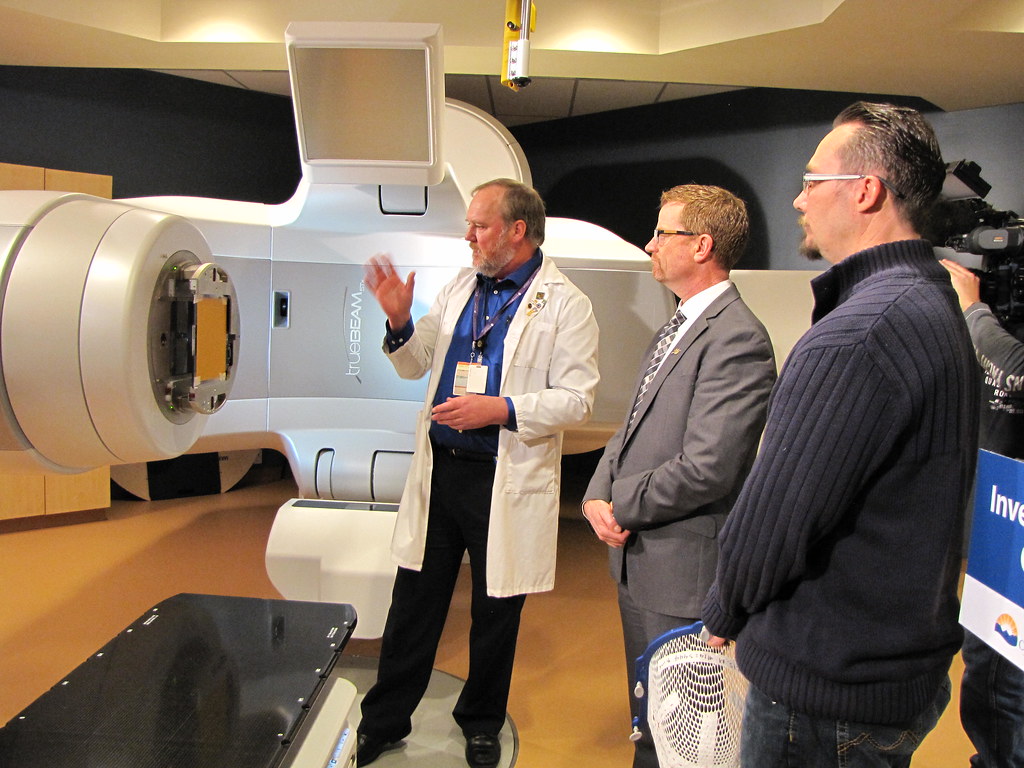
Chemotherapy uses drugs to kill rapidly dividing cells and usually occurs in cycles over several months. Radiation therapy uses high doses of radiation to shrink tumors and kill cancer cells, typically over time. Following active treatment, patients transition into the survivorship and monitoring phase, which can involve regular follow-up appointments and scans to monitor health and manage side effects.
Seek Professional Cancer Care
Modern cancer care is provided by multidisciplinary teams, which may include oncologists. Collaboration allows each patient’s case to be reviewed regularly, giving access to a coordinated care plan based on the most recent standards. Patients benefit from tailored treatment options designed to address the specific biology and stage of their cancer, as well as ongoing support throughout diagnosis, active care, and survivorship. Connecting with a specialized center offers the opportunity to learn about treatment options and resources.
Sorry, the comment form is closed at this time.