




26 Feb Three Types of Dental Restoration Services
Restorative dentistry encompasses procedures that repair or replace damaged, decayed, or missing teeth. Different dental restoration techniques address various dental issues, from minor chips to complete tooth loss. Implants, crowns, and bridges can all replace missing teeth, but the processes for getting each procedure are different, and the results vary as well. Here is more information about three different types of dental restorations:
Restorative Dentistry
Dental restoration can resolve the appearance and function of damaged or missing teeth. These treatments range from simple fillings to complex reconstructions, and each addresses specific dental problems. The field of restorative dentistry includes several specialized techniques that dental professionals use to repair compromised teeth.
Dentists evaluate each patient’s unique situation before recommending a treatment plan. They examine the extent of damage and the location of the affected teeth, and they look at the overall health of surrounding structures. After they perform the assessment, the provider can suggest the most appropriate restoration method.
Dental Implants
Dental implants are permanent replacements for missing teeth. A titanium post is surgically placed into the jawbone, and it fuses with the bone tissue through a process called osseointegration. Once healing is complete, a custom-made crown is attached to the post, creating a tooth that looks and functions like a natural one.
This option offers several advantages for patients with missing teeth:
- The implant stimulates the jawbone, preventing bone loss that sometimes occurs after tooth extraction
- Adjacent teeth remain unaffected, preserving their natural structure
- The implant lasts for decades with proper care
Candidates for dental implants must have sufficient jawbone density and healthy gums. The procedure typically requires multiple visits over several months, as the implant needs time to integrate with the bone before the final crown can be placed.
Dental Crowns
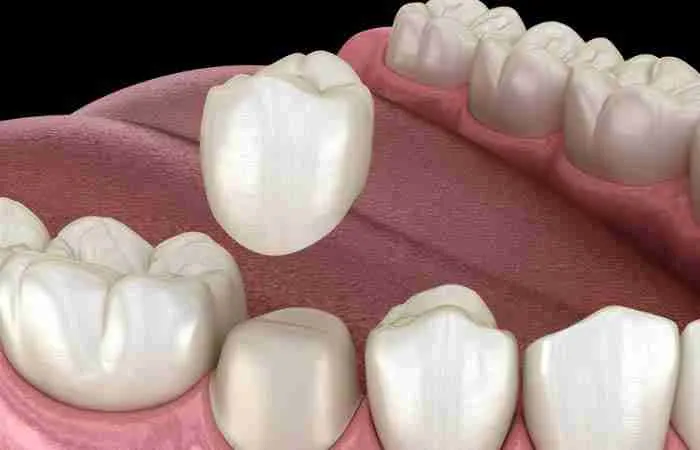
Dental crowns are custom-made caps that cover damaged or weakened teeth. When a tooth has extensive decay or structural damage from injury, a crown protects and bolsters it; crowns also restore a tooth’s shape and appearance. The crown encases the entire visible portion of the tooth above the gum line.
Dentists prepare the tooth by removing decay and reshaping it to accommodate the crown. They take impressions of the teeth, and then they create a crown that matches the size and shape of your natural teeth. While a temporary crown protects the tooth, a dental laboratory fabricates the permanent restoration from strong materials such as porcelain, ceramic, or metal alloys.
Crowns can require multiple dental appointments. After they are fabricated, the completed crown is cemented onto the prepared tooth. Proper oral hygiene can enable crowns to last fifteen years or longer; these restorations provide durable protection for compromised teeth.
Dental Bridges
Dental bridges fill gaps created by one or more missing teeth. This restoration consists of artificial teeth, called pontics, which are anchored by crowns placed on the teeth adjacent to the gap. These supporting teeth, called abutments, hold the bridge securely in place; implants also hold dental bridges in place.
While implants can be used to anchor bridges, traditional bridges require dentists to reshape the adjacent teeth to accommodate the anchoring crowns. During the procedure, the dentist removes some enamel from these supporting teeth, and this permanently alters their structure. After preparation, the dentist takes impressions of the teeth. They use the impressions to fabricate a custom bridge that fits precisely in the space.
Because bridges are fixed in place, they don’t require removal for cleaning. They restore your ability to chew properly, and they may maintain the shape of your face by preventing remaining teeth from shifting out of position. Bridges typically last between five and fifteen years, depending on oral hygiene practices and regular dental maintenance.
Learn More About Dental Restoration
Restorative dentistry offers solutions for various dental problems, from single damaged teeth to multiple missing ones. Implants provide permanent replacements that function like natural teeth, while crowns strengthen and protect compromised teeth; bridges fill gaps left by missing teeth, restoring both function and appearance. If you want to learn more about restorative dentistry, consult a dental provider near you.
Sorry, the comment form is closed at this time.