




05 Dec What You Need to Know About Emergency Dental Care
Emergency dentistry addresses sudden injuries or severe symptoms, while preventive dentistry focuses on routine maintenance and early detection. Because urgent conditions may involve fractures, infection, or severe inflammation, evaluation begins immediately to identify the source of the problem. Emergency dental care includes diagnostic steps that determine what parts of the mouth have been affected.
Emergency Visit Steps
Many emergency dental care visits involve cracked enamel, dislodged teeth, and acute toothaches. These conditions vary in severity, and each requires timely assessment to prevent further complications. Emergency dental care allows a dentist to thoroughly examine the area and determine whether the damage is isolated or involves surrounding tissues. Imaging may be used to confirm the location of injury or infection.
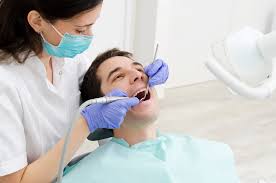
An urgent appointment typically begins with a detailed exam to identify visible concerns, such as fractures or swelling. The dentist may ask about recent trauma or symptoms to narrow down the potential cause. Diagnostic imaging, such as X-rays, helps determine whether the tooth root or supporting bone has been affected. Diagnostics and exams help the provider better understand the issue and its causes, which affects the treatment plan they will create.
After the diagnostic phase, the dentist develops a treatment plan that addresses the immediate concern and outlines the next steps. Some procedures occur the same day, while others require scheduled follow-up care. Future appointments may involve restorative work or additional imaging. This process allows the dentist to monitor healing and determine whether further treatment is appropriate.
Common Urgent Treatments
Root canal therapy may be recommended when a toothache results from an infection inside the tooth. The procedure removes compromised tissue while preserving the surrounding structure, though additional appointments may be needed to fully restore the tooth. When damage is too extensive to repair, extraction may be performed during the emergency visit.
Broken or chipped teeth often require stabilization before long-term restoration. A dentist may use bonding materials, temporary crowns, or smoothing techniques to protect exposed surfaces. These methods help maintain function while plans for permanent treatment are arranged.
Restoring Function After Injury
A loose or displaced tooth requires immediate evaluation to determine whether repositioning or splinting is appropriate. Stabilizing the tooth early can improve the chance of keeping it in place. Some injuries involve teeth that have shifted into or out of the bone, and these cases require prompt handling to protect the periodontal structures surrounding the root.
Objects lodged between the teeth or gums may cause sharp pain or localized swelling. If the object cannot be safely removed at home, the dentist uses specialized tools to clear the area without damaging nearby tissue. When structural repairs are necessary, temporary materials may restore function until long-term solutions are scheduled. These steps help reduce complications as healing progresses.
Learn More About Emergency Dental Care
Emergency dental care enables a dentist to evaluate urgent symptoms, identify the underlying cause, and select treatments to protect oral structures from further harm. Diagnostic imaging and focused exams establish the extent of damage, while procedures such as root canals and tooth repairs address the most pressing concerns. Follow-up visits maintain continuity of care and support long-term restoration. If you experience sudden oral pain or injury, consult an emergency dental clinic near you.
Sorry, the comment form is closed at this time.