




21 Nov The Role of Early Orthodontic Evaluations for Children
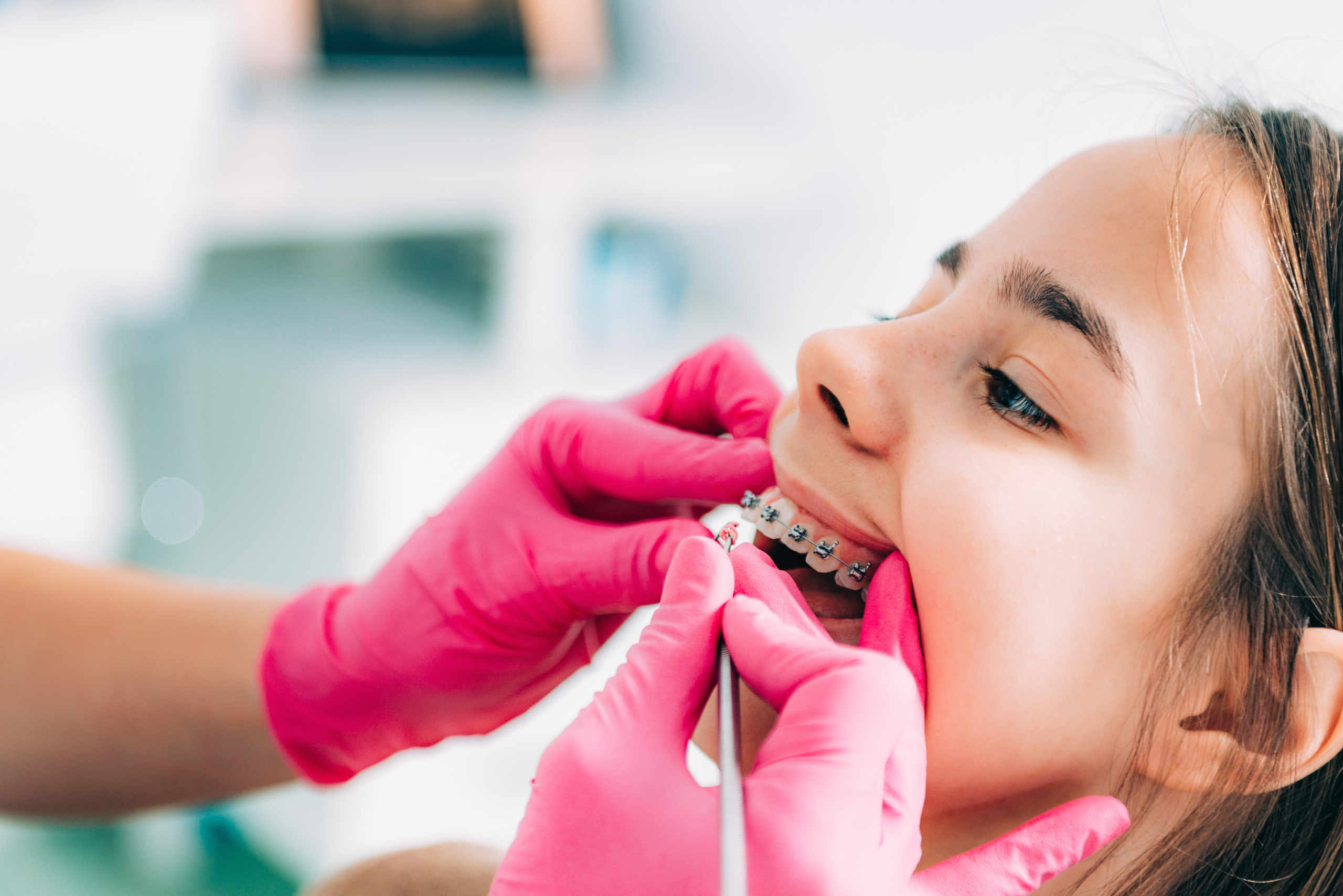
Early orthodontic evaluations can show how a child’s teeth and jaws are developing at each stage of growth. In these visits, an orthodontics provider can review teeth spacing, alignment, and bite patterns that form during childhood. Early evaluations also help track how incoming teeth are fitting within the arches, which are the curved rows of teeth in the upper and lower jaws. This early perspective can inform decisions about timing and treatment, potentially shaping future alignment during adolescence.
Checking Developing Alignment
During alignment checks, providers focus on how the primary and permanent teeth fit within the arches as they grow in. Orthodontics providers use visual exams and imaging to see how much room is available for new teeth and if the arches are adapting to growth as expected. These exams help identify early crowding or spacing patterns. Some evaluations include radiographs that show tooth positions below the gumline, offering a clearer view of eruption paths and jaw. Photos may also be taken to document changes across several years.
Providers also look for signs of crossbite, underbite, or overbite that can change as facial structures mature. Monitoring how the jaws are growing in relation to one another over time helps identify patterns that may influence future orthodontics. Growth-related changes often inform decisions about when active treatment may be most effective.
Reviewing Functional Factors
Functional reviews look at how teeth contact each other during daily use. When certain teeth meet unevenly, force spreads differently across the bite. These patterns may become more noticeable as more permanent teeth emerge. Oral habits such as thumb-sucking or extended pacifier use are also evaluated because they can shape how the arches respond to pressure during growth. Identifying these influences early help your provider create a plan to maintain your child’s dental health.
Some evaluations assess how the lips and cheeks rest against the teeth, which helps explain spacing or protrusion patterns that may appear during growth. Swallowing habits can also be reviewed because they influence how muscles interact with the developing arches. These elements create a clearer picture of how structure, function, and growth work together.
Planning Growth-Based Treatment
To promote balanced tooth alignment in the future, early orthodontic treatment can be recommended when developing patterns suggest that alignment or functional concerns may progress. A space maintainer may be used if a primary tooth is lost earlier than expected, helping to save room for the permanent tooth. An expander may be needed to widen an arch so incoming teeth have appropriate space.
Providers think about growth stages instead of age alone when determining when treatment can respond best to natural growth. Tracking jaw development, eruption timing, and spacing changes can help providers know when to start treatment. Some treatments begin before all permanent teeth appear because structures at this stage may adjust more readily to gentle changes. Follow-up evaluations document progress through updated imaging and bite checks.
Consult an Orthodontics Provider
Early orthodontic evaluations offer a clear picture of how a child’s teeth and jaws are forming and growing. Over time, these visits build a detailed record of alignment, spacing, and bite changes, helping you and your provider make decisions about whether early treatment may improve future alignment. A consistent evaluation schedule helps providers plan treatment phases that align with natural growth patterns and long-term orthodontic goals. Consult an orthodontist for more information about how early childhood evaluations can affect your child’s dental health.
Sorry, the comment form is closed at this time.