




03 Sep Understanding Prostate Health
The prostate is a small, walnut-sized gland that plays a key role in men’s health. It is only present in those assigned male at birth and are part of the male reproductive system. Here is an overview of the prostate’s structure and function, explains common health conditions related to the prostate, and outlines steps that may support long-term prostate wellness:
Understanding the Prostate
A key part of men’s health includes monitoring the prostate. The prostate sits just below the bladder and wraps around the urethra, which carries urine out of the body. Its main job is to create fluid that mixes with sperm to form semen. This fluid helps protect and nourish sperm. The gland contains several zones, with the largest zone making up most of its tissue, and a smaller zone surrounding the urethra.
Prostate-specific antigen (PSA) is a protein produced by cells in the prostate, and it helps to liquefy semen, making it easier for sperm to move. As men get older, both prostate size and PSA levels usually rise. Sometimes, higher PSA levels can signal a change in prostate health that may require further checks.
The prostate grows in two main phases, with the first phase happening at puberty, when the organ quickly doubles in size. The second phase starts around age 25 and continues gradually through adulthood. This ongoing growth can have a lasting impact on urinary function over time. Blood vessels supply the prostate with nutrients and oxygen. The nervous system helps control how the prostate produces fluid and contracts its muscles, linking its activity with the urinary and reproductive systems.
Exploring Common Prostate Conditions
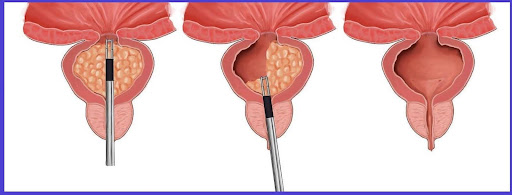
As men age, the prostate often undergoes several changes. Benign prostatic hyperplasia (BPH), or prostate enlargement, affects about half of men over 50. In BPH, prostate cells grow in number, which can squeeze the urethra. This may cause problems such as needing to urinate more often, having a weak stream, or trouble starting and stopping urination.
Prostatitis is another prostate condition involving inflammation. It can appear suddenly as an infection or develop slowly without a clear cause. Symptoms might include pain in the pelvic area, urinary changes, and, in some cases, problems with sexual function.
Prostate cancer is one of the most common cancers in aging men. It often grows slowly and might not cause signs in the early stages. Risk goes up with age, family history, and for certain groups, like African American men.
Many prostate conditions share similar urinary symptoms, such as frequent urination, urgent need to urinate, or trouble with urine flow.
Utilizing Preventive Health Measures
What you eat and how you live can affect prostate health. Diets high in fruits and vegetables provide antioxidants, which may help protect cells. Regular exercise helps keep body weight in check and supports prostate health. Activities like walking, swimming, or cycling promote overall well-being and may impact prostate wellness. Maintaining a healthy weight matters because obesity is linked to a higher risk of aggressive prostate cancer. Carrying extra weight can change hormone levels and bodily inflammation, both of which may play a role in prostate changes.
Learn More About Men’s Health
Learning about prostate health gives men the knowledge to identify changes that come with aging. Conditions such as benign prostatic hyperplasia, prostatitis, and prostate cancer commonly affect the prostate as men grow older. This practical approach emphasizes regular attention to lifestyle behaviors and ongoing health monitoring to support prostate health as men age. Consult with a urologist to learn more about your prostate.
Sorry, the comment form is closed at this time.