




24 Sep Electrical Panel Upgrades in San Diego: What Homeowners Should Know
An electrical panel is one of the most important parts of a home’s electrical system. It distributes electricity to individual circuits and helps protect the property from electrical overloads. As San Diego homes become more dependent on air conditioning, electric vehicles, solar systems, heat pumps, and other high-demand appliances, an older electrical panel may no longer provide enough capacity for modern electrical needs.
For homeowners considering an upgrade, working with an experienced electrical professional can help ensure the project is properly planned and installed. Companies such as evolutionelectricsolars can help homeowners evaluate their existing electrical setup and determine whether an electrical panel upgrade is appropriate.
What Is an Electrical Panel Upgrade?
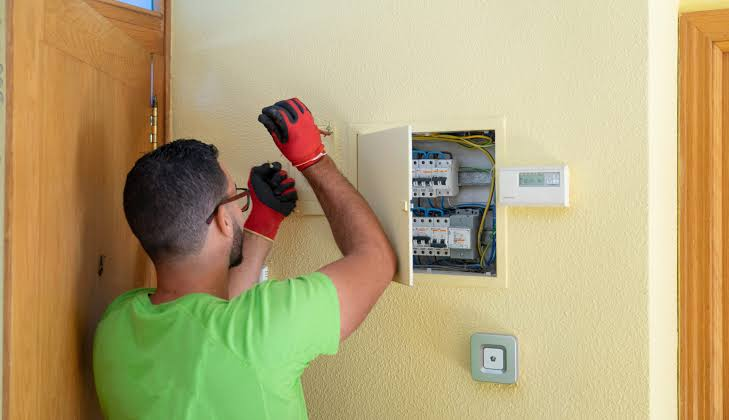
An electrical panel upgrade involves replacing or modifying an existing electrical service panel to provide greater capacity, improved protection, or better compatibility with modern electrical equipment.
Older homes may have panels that were designed when households used significantly less electricity. A typical older property might not have been designed for an electric vehicle charger, central air conditioning, induction cooking, solar equipment, battery storage, or multiple high-powered appliances operating at the same time.
An upgrade can involve installing a newer panel, increasing service capacity, replacing outdated breakers, improving circuit organization, and making other necessary changes to bring the electrical system in line with the requirements of the project.
Signs You May Need an Electrical Panel Upgrade
Not every electrical problem means the entire panel needs to be replaced. However, several warning signs deserve professional attention.
Frequent Circuit Breaker Trips
If breakers trip regularly, the electrical system may be experiencing excessive demand or another underlying issue. Constantly resetting a breaker without identifying the cause is not a long-term solution.
Flickering or Dimming Lights
Lights that flicker or dim when large appliances start running can indicate electrical system issues. While there can be several possible causes, a professional inspection can determine whether the panel, wiring, or another component needs attention.
Warm or Unusual-Smelling Electrical Equipment
An unusually warm panel, burning smell, buzzing, sparking, or visible damage should not be ignored. These conditions can indicate a potentially unsafe electrical problem and should be evaluated by a qualified professional.
Limited Circuit Capacity
A home with too few available circuits may rely heavily on extension cords, power strips, or overloaded circuits. Modern electrical equipment often requires dedicated circuits, making panel capacity an important consideration.
Why San Diego Homeowners May Consider an Upgrade
San Diego homes are increasingly incorporating technologies that can significantly increase electrical demand. Electric vehicle charging, solar installations, battery storage, heat pumps, and electric appliances can all affect a property’s electrical requirements.
Importantly, a full panel upgrade is not automatically required whenever a homeowner adds new electrical equipment. SDG&E notes that some customers may be able to increase available capacity through alternatives such as load management, smart technologies, or certain meter socket adapters.
This means homeowners should have their existing electrical capacity evaluated before assuming that a complete replacement is necessary.
Electrical Panels and Solar Systems
Solar energy systems can make an electrical panel upgrade particularly relevant. Depending on the existing panel, available breaker positions, electrical load, and the design of the solar installation, modifications may be required.
The correct approach depends on the individual property. An electrician can review the panel, calculate existing and proposed loads, and determine whether the current electrical service can accommodate the planned system.
SDG&E also provides project processes for customers making significant changes to their electrical service and may require information about existing and proposed loads as part of the process.
Electrical Vehicles and Panel Capacity
Electric vehicle chargers are another common reason homeowners investigate electrical upgrades. Level 2 EV chargers can require substantially more electrical capacity than ordinary household outlets.
Before installing a charger, homeowners should determine whether their existing service has sufficient capacity. In some cases, load management or other solutions may eliminate the need for a full panel upgrade. In other situations, increasing the home’s electrical service may be appropriate.
Planning this before purchasing or installing equipment can prevent unexpected project complications.
What Happens During an Electrical Panel Upgrade?
Although the exact process varies by property, a typical project may involve several stages.
1. Electrical Assessment
The electrician examines the existing panel, breakers, wiring, service equipment, and available capacity. They may also review the appliances and equipment that the homeowner wants to add.
2. Load Calculation
Electrical demand is evaluated to determine whether the existing service can safely support the home’s current and planned loads.
This step is particularly important when adding major equipment such as EV chargers, HVAC systems, solar panels, batteries, or electric appliances.
3. Project Planning
The appropriate panel, breakers, wiring, and related equipment are selected based on the property’s requirements. Depending on the project, utility coordination and permits may also be necessary.
4. Panel Installation
The old equipment is replaced or modified according to the approved project design. The electrician connects the home’s circuits to the new equipment and verifies that everything is properly installed.
5. Inspection and Utility Coordination
Some projects require inspection and coordination with the local utility. SDG&E explains that service-upgrade projects can involve load information, project documentation, field visits, service work orders, and scheduling depending on the project.
Safety Should Be a Priority
Electrical panel work is not a suitable DIY project for most homeowners. The panel contains energized electrical equipment capable of causing severe injury or death.
The U.S. Consumer Product Safety Commission explains that circuit breakers and fuses serve as safety devices designed to stop current when electrical demand exceeds safe levels. It also recommends investigating repeated breaker trips rather than simply resetting the breaker. CPSC electrical safety guidance provides additional information about electrical hazards in residential properties.
If you notice burning odors, smoke, sparks, damaged equipment, or unusually hot electrical components, avoid attempting repairs yourself and seek professional assistance.
How to Prepare for a Panel Upgrade
Homeowners can make the process easier by preparing information before an electrician arrives.
Consider making a list of:
- Major appliances currently installed
- Planned appliances or renovations
- EV charging requirements
- Solar or battery plans
- Heating and cooling equipment
- Existing electrical problems
- Frequently tripping breakers
- Any future electrical projects
This information helps the electrician understand both the home’s current electrical requirements and its future needs.
It is also useful to ask about permits, inspections, utility coordination, expected project duration, equipment specifications, and whether additional wiring or service work will be required.
Is an Electrical Panel Upgrade Worth Considering?
The answer depends on the condition and capacity of the existing electrical system. A panel upgrade may become relevant when a home needs additional electrical capacity, when existing equipment is outdated or unsuitable for planned improvements, or when a major renovation changes the property’s electrical requirements.
However, homeowners should not automatically assume that replacing the panel is the only solution. A professional assessment can identify whether the existing system can support the planned equipment or whether an upgrade or alternative solution is necessary.
Conclusion
Electrical panel upgrades in San Diego can be an important consideration for homeowners adding modern electrical equipment or renovating an older property. EV chargers, solar systems, heat pumps, air conditioning, and other high-demand appliances can change a home’s electrical requirements.
The right solution depends on the property’s existing panel, electrical service, wiring, current load, and future plans. Having the system evaluated by a qualified electrical professional allows homeowners to understand their options before beginning the project and helps ensure that safety, capacity, and utility requirements are properly considered.
Sorry, the comment form is closed at this time.