




11 Aug How Gift Cards Compare to Traditional Payments
The way people pay for products and services has changed significantly over the years. Cash and bank cards remain common, but digital wallets, contactless payments, prepaid cards, and gift cards have added more flexibility to everyday spending. Each payment method offers different advantages depending on the situation, the person using it, and the type of purchase being made.
Gift cards have become especially popular for birthdays, holidays, employee rewards, and personal budgeting. Resources such as www.ccgiftcards.org can help consumers explore gift-card-related information while considering how this payment option fits into modern spending habits.
But how do gift cards actually compare with traditional payment methods such as cash, debit cards, and credit cards? Understanding their differences can help consumers choose the most appropriate option for different purchases.
What Are Traditional Payment Methods?
Traditional payments generally include cash, checks, debit cards, and credit cards. Although these methods work differently, they are designed primarily to allow consumers to pay for goods and services directly.
Cash is straightforward because there is no account, application, or electronic system involved. Once the money changes hands, the transaction is complete.
Debit cards, meanwhile, typically draw money from a linked bank account. Credit cards allow consumers to make purchases using borrowed funds that are repaid later.
These options are widely accepted and suitable for everyday expenses, including groceries, utility bills, transportation, dining, and online purchases.
How Do Gift Cards Work?
A gift card is a prepaid payment instrument that contains a specified amount of value. Depending on the type of card, it may be usable at one retailer, a group of related businesses, or a wider network of merchants.
For example, a store-specific gift card may only be accepted by the retailer that issued it. A broader network gift card may provide more flexibility by allowing purchases at multiple participating merchants.
Unlike a traditional bank account, a typical gift card is generally designed around a predetermined balance. Once the available value has been spent, the card may no longer be useful unless it can be reloaded.
This makes gift cards particularly convenient when the purpose is to give someone spending power without handing over cash.
Gift Cards Offer More Control Over Spending
One of the most noticeable differences between gift cards and traditional payments is spending control.
When someone receives a gift card worth $50, for example, the available spending amount is generally limited to that balance. This can make it easier to maintain a defined spending limit.
Credit cards can provide much greater purchasing flexibility, but that flexibility can also make it easier to spend beyond an intended budget. Debit cards can also provide convenient access to a bank balance, potentially making it harder to separate money intended for a specific purpose.
Gift cards can therefore work well for people who want to allocate a fixed amount toward shopping, dining, entertainment, or another category.
Gift Cards Can Be Convenient for Gifting
Cash is flexible, but some people prefer giving a gift that feels more personal. Gift cards can provide a middle ground between selecting a specific physical item and simply handing someone money.
A recipient can usually choose something based on their own preferences rather than receiving an item they may not need.
This can be particularly useful when the giver knows the recipient’s favorite retailer, restaurant, entertainment service, or shopping category but does not know exactly what they want to purchase.
Digital gift cards can also make gifting faster. Depending on the provider, a card may be delivered electronically rather than requiring physical shipping.
Traditional Payments Usually Provide Greater General-Purpose Flexibility
While gift cards offer convenience, they can have usage restrictions.
A store-specific gift card may only work at a particular retailer or affiliated group of businesses. Traditional payment methods such as cash and widely accepted debit or credit cards are generally more versatile for everyday spending.
For someone who needs to pay a utility bill, purchase fuel, buy groceries from different stores, or cover an unexpected expense, a bank account or cash may be more practical than a restricted gift card.
Therefore, the best payment method depends heavily on the intended use.
Gift Cards and Cash Have Different Advantages
Cash remains one of the simplest payment methods. It does not require a card reader, bank account, internet connection, or electronic authorization in many face-to-face transactions.
Gift cards, however, can offer some practical advantages when the goal is controlled or targeted spending.
Consider a parent giving a teenager money for entertainment. Giving cash provides complete freedom, while a gift card for a particular store or service can direct the spending toward an intended purpose.
For personal budgeting, either method can work. The choice depends on whether flexibility or spending boundaries are more important.
Gift Cards Can Reduce the Pressure of Choosing a Gift
Choosing a physical gift requires some knowledge of another person’s preferences. Clothing may not fit, electronics may not match their needs, and decorative items may not suit their taste.
A gift card shifts that decision to the recipient.
Instead of guessing which product someone wants, the giver can provide purchasing power and allow the recipient to make the final choice.
This does not necessarily make gift cards less thoughtful. In many cases, choosing a gift card for a person’s favorite store or activity shows that the giver understands their interests while giving them freedom over the final purchase.
What About Fees and Expiration?
Consumers should always review the terms associated with a gift card before purchasing or using it. Different cards can have different conditions, and rules can depend on the type of card and applicable law.
For example, U.S. federal regulations establish certain requirements concerning gift-card fees and expiration dates. The Consumer Financial Protection Bureau explains that consumers should review card disclosures and understand the applicable terms before choosing a prepaid product. (CFPB guidance on gift cards and prepaid cards)
This is an important difference from ordinary cash. Cash itself does not have an activation fee or an issuer’s terms of use.
Traditional bank cards can also have fees, such as annual, overdraft, foreign transaction, or ATM fees, depending on the account and provider. Consumers should therefore compare the complete cost of each payment method rather than assuming one option is always cheaper.
Security Considerations
Security is another area where payment methods differ.
Carrying large amounts of cash can create a physical-loss risk because cash may be difficult to recover if lost or stolen. Card-based payment methods can offer additional account controls, although their protections vary by product and circumstances.
Gift cards also require care. A lost physical gift card may be difficult to recover depending on the issuer’s policies. Digital gift cards should likewise be protected from unauthorized access.
Consumers should keep receipts, card numbers, and relevant account information secure when appropriate. It is also wise to purchase gift cards from reputable sources and avoid sharing redemption codes unnecessarily.
Gift Cards Can Be Useful for Budgeting
Gift cards can function as a practical budgeting tool when used intentionally.
Someone trying to control restaurant spending, for instance, could allocate a specific amount to a dining gift card at the beginning of the month. Once the balance has been used, the spending category has effectively reached its limit.
The same approach can work for entertainment, shopping, or other discretionary expenses.
However, gift cards should not be viewed as a complete replacement for a bank account or traditional payment method. They are most useful when their limited nature matches the consumer’s specific financial goal.
Digital Payments Are Changing the Comparison
The traditional comparison between cash and cards is becoming more complicated as digital payment options grow.
Consumers can now use mobile wallets, contactless cards, online payment platforms, virtual cards, and digital gift cards. These methods can make transactions faster and more convenient while reducing the need to carry physical payment instruments.
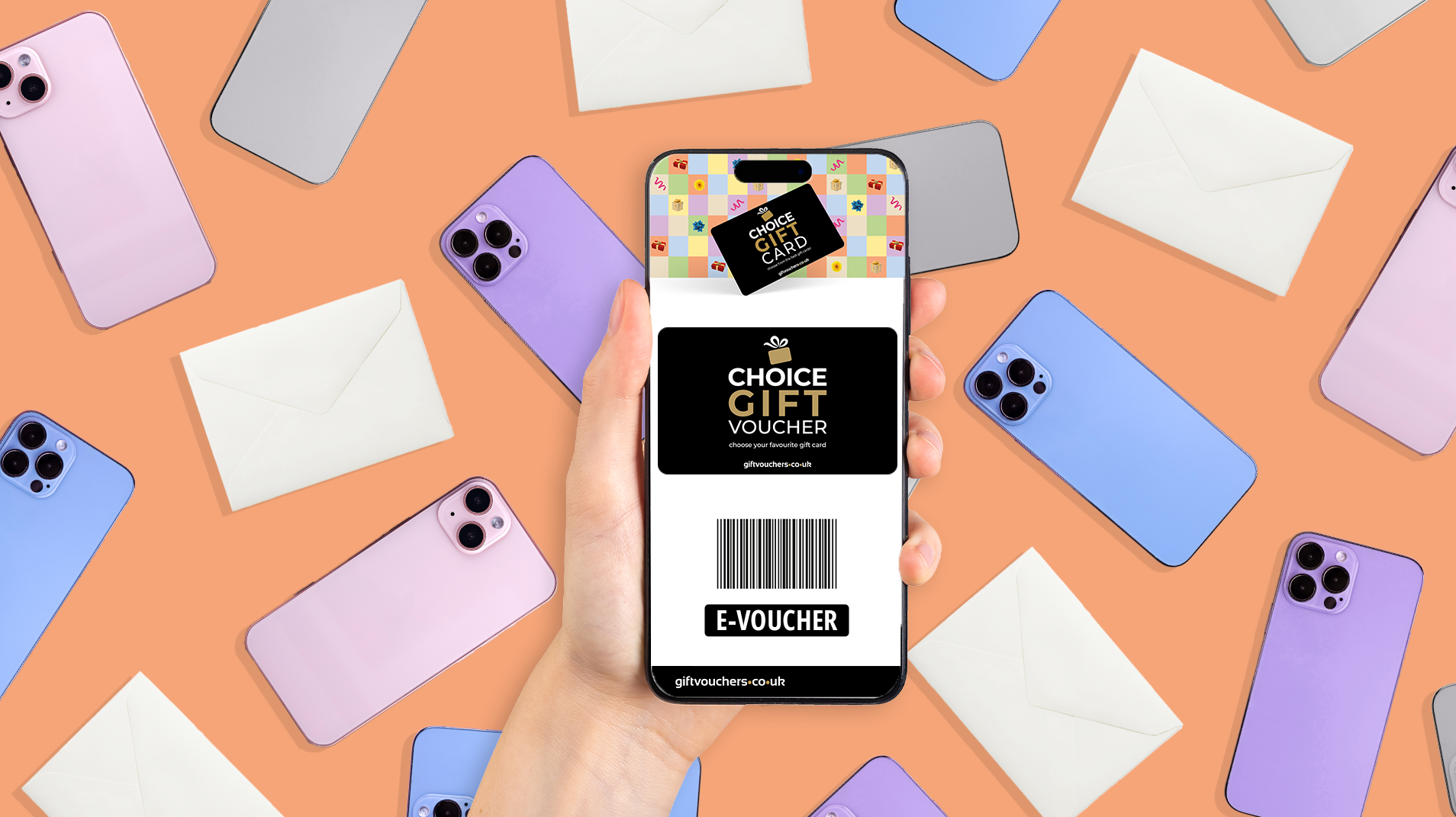
Gift cards are also increasingly digital. Instead of receiving a plastic card, consumers may receive a code or virtual card that can be used online or through a mobile device.
This development makes gift cards more convenient, particularly for last-minute gifts and online shopping.
Which Payment Method Is Best?
There is no single payment method that is best for every situation.
Gift cards may be ideal when:
- You are purchasing a present for someone.
- You want to control spending within a fixed amount.
- You know the recipient’s preferred retailer or service.
- You want a convenient digital gifting option.
- You want to give someone purchasing flexibility without choosing a specific product.
Traditional payments may be better when:
- You need maximum spending flexibility.
- You are paying recurring household expenses.
- You need to make purchases from many different merchants.
- You need access to cash.
- You want to use funds directly from a bank account.
The right choice ultimately depends on the transaction, the consumer’s priorities, and the terms associated with the payment method.
Final Thoughts
Gift cards and traditional payment methods serve different purposes rather than competing in every situation. Cash provides simplicity, debit cards provide direct access to bank funds, and credit cards can provide purchasing flexibility. Gift cards offer a different combination of convenience, gifting potential, and spending control.
For consumers, the most useful approach is to understand how each method works and choose based on the specific purchase. A gift card can be an excellent option for a thoughtful present or controlled spending, while traditional payments remain more practical for many everyday financial responsibilities.
As payment technology continues to evolve, consumers will have even more ways to pay. Understanding the strengths and limitations of each option can make those choices easier and more informed.
Sorry, the comment form is closed at this time.