




29 Jul Best Emergency Preparedness Tips for Families: How to Stay Ready for Any Situation
Emergencies can happen without warning, whether it is a natural disaster, power outage, severe weather event, or unexpected health crisis. While no family can predict exactly when an emergency will occur, being prepared can reduce stress, protect loved ones, and help everyone respond quickly when it matters most.
Family emergency preparedness is not about creating fear or expecting the worst. It is about having a practical plan, essential supplies, and the knowledge needed to handle challenging situations with confidence. A little preparation today can make a major difference during an unexpected event.
Create a Family Emergency Plan
One of the most important steps in emergency preparedness is creating a clear family emergency plan. Every family member should know what to do, where to go, and how to communicate during a crisis.
Start by discussing different emergency scenarios with your family. Consider situations such as:
- Severe storms or flooding
- Earthquakes
- Extended power outages
- Medical emergencies
- Evacuation situations
Choose a safe meeting location where family members can reunite if you become separated. It is also helpful to identify multiple communication methods because phone networks may become unavailable during major emergencies.
Children should also understand basic emergency procedures in an age-appropriate way. Teaching them who to call, where emergency supplies are stored, and how to stay calm can help them react better during stressful situations.
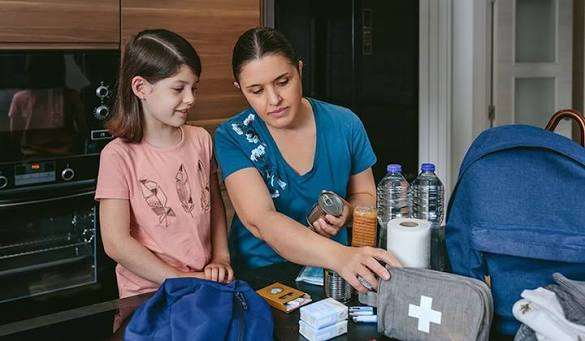
Build a Complete Emergency Supply Kit
A well-prepared emergency kit is one of the most valuable resources a family can have. During emergencies, stores may close, roads may become unsafe, or essential supplies may become difficult to access.
A basic family emergency kit should include:
- Drinking water
- Non-perishable food
- Flashlights and extra batteries
- First aid supplies
- Necessary medications
- Blankets and warm clothing
- Phone chargers or power banks
- Important documents
- Hygiene products
Families should also consider keeping emergency medical supplies available for situations where immediate access to healthcare may not be possible. Resources like UrgentCareKit.com can help families prepare for urgent healthcare needs by providing access to essential medical solutions designed for emergency situations.
When preparing your kit, remember that every family has different needs. Infants, elderly family members, pets, and people with specific health requirements may need additional supplies.
Keep Essential Medical Information Organized
Medical emergencies can become more complicated when important health information is unavailable. Keeping a record of medical details can help family members, caregivers, or emergency responders provide better assistance.
Important information to organize includes:
- Current medications
- Allergies
- Medical conditions
- Doctor contact information
- Insurance details
- Emergency contacts
Store copies of these records in a secure waterproof container or digital storage system. Having this information easily accessible can save valuable time during urgent situations.
Learn Basic First Aid Skills
Emergency supplies are important, but knowing how to use them is equally valuable. Basic first aid knowledge allows family members to provide immediate support before professional help arrives.
Useful skills include:
- Treating minor cuts and burns
- Performing CPR
- Managing choking incidents
- Recognizing signs of serious illness
- Handling common injuries
The American Red Cross provides trusted first aid and emergency training resources that can help individuals develop essential lifesaving skills. Learning these skills gives families more confidence when responding to unexpected health situations.
Prepare for Natural Disasters
Different locations face different emergency risks. A family living near coastal areas may need hurricane preparation, while those in areas with harsh winters may need plans for snowstorms and freezing temperatures.
Research the most common emergencies in your region and prepare accordingly. Some additional preparation steps include:
- Securing heavy furniture
- Understanding evacuation routes
- Protecting important documents
- Learning local emergency alerts
- Practicing evacuation drills
Regular practice helps family members remember what to do when an actual emergency occurs. A plan that has never been reviewed may not work effectively under pressure.
Store Emergency Supplies Properly
Having emergency supplies is only useful if they are easy to find and ready to use. Store kits in accessible locations and make sure everyone in the household knows where they are kept.
Consider having:
- A main emergency kit at home
- A smaller kit for vehicles
- Supplies available at work or school when necessary
Check your emergency supplies regularly. Food, batteries, medications, and other items may expire over time. Reviewing your kit every few months ensures everything remains functional.
Prepare for Communication Challenges
Communication is often one of the biggest challenges during emergencies. Power failures, damaged infrastructure, or overloaded networks can make it difficult to contact family members.
Create a communication strategy before an emergency happens. This may include:
- Choosing an emergency contact outside your local area
- Keeping phone numbers written down
- Using text messages when calls do not work
- Agreeing on a family check-in routine
Technology can be helpful, but families should also have backup methods that do not rely completely on electronic devices.
Involve the Entire Family in Preparation
Emergency preparedness works best when everyone participates. Children, teenagers, and adults all have roles they can understand and manage.
Families can make preparation easier by turning it into a regular activity. For example, you can review emergency plans during a yearly family meeting, update supply kits together, or practice evacuation drills.
When everyone understands their responsibilities, the family becomes more organized and capable during difficult situations.
Review and Update Your Emergency Plan Regularly
An emergency plan should not be created once and forgotten. Families change over time, and emergency needs change as well.
Review your plan whenever there are major life changes, such as:
- Moving to a new home
- Adding a family member
- Changing medications
- Getting a new vehicle
- Updating contact information
Regular updates help ensure your emergency strategy remains practical and effective.
Final Thoughts
Emergency preparedness is one of the best ways families can protect themselves during uncertain situations. By creating a detailed plan, building a reliable emergency kit, learning basic first aid, and staying informed, families can respond more confidently when unexpected events occur.
The goal of preparation is not to live in fear but to create security. Small actions taken today can provide comfort, safety, and peace of mind when emergencies happen. A prepared family is better equipped to handle challenges and support each other when it matters most.
Sorry, the comment form is closed at this time.